Українська
  Русский
  Polski
  Deutsch
  Français
  Español
  Nederlands
  Svenska
 Have you ever noticed that some tasks come easily to you early in the morning, while others require incredible effort, even though in the evening you handle them in mere minutes? The reason is not a lack of discipline or laziness, but your biological clock.
Most of us are used to dividing people into “early birds” and “night owls,” but modern science has proven that this system is too simplified. Clinical psychologist Dr. Michael Breus, based on years of sleep research, developed a more accurate classification, identifying four genetic archetypes: Lion, Bear, Wolf, and Dolphin.
Why Know Your Chronotype?
A chronotype is not just a habit of going to bed late or waking up early. It is your individual rhythm of hormonal system function, metabolism, and brain activity. Understanding your type helps to:
- Increase Productivity: You will discover your “golden hours” when your concentration is at its peak.
- Improve Health: You will understand what time physical exercise and meals will bring maximum benefit specifically to your body.
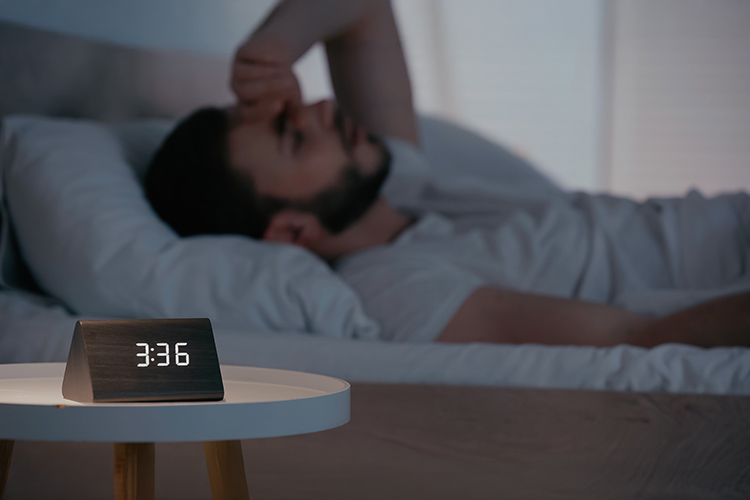
- Adjust Sleep Schedule: You will stop fighting insomnia or morning grogginess by learning to go to bed on time.
- Harmonize Relationships: You will be able to explain the specifics of your activity to loved ones and find common ground, even if your rhythms do not match.
Determine Your Chronotype: Lion, Bear, Wolf, or Dolphin
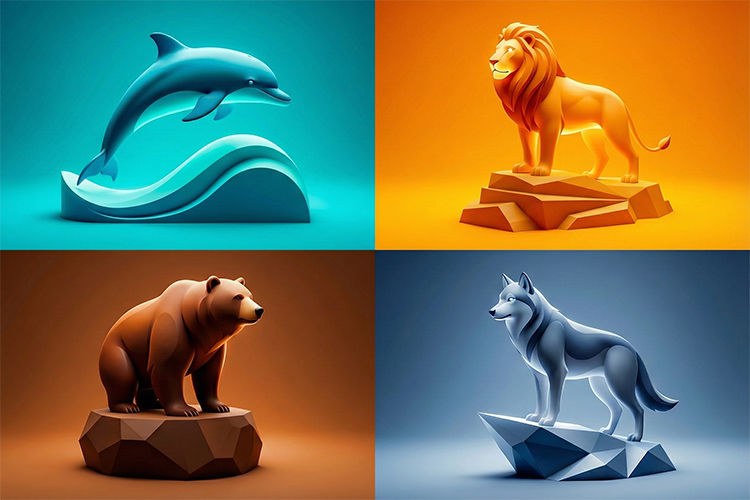
This test uses the model of four chronotype archetypes (Lion, Bear, Wolf, or Dolphin), popularized in the book “The Power of When” by Michael Breus. The question phrasing and analysis logic were developed by Factum-Info to help you determine your natural preferences and activity rhythms.
For the most accurate result, answer honestly, focusing on your actual habits over the last 2–3 months, not on your desired schedule. Find out how to tune your life in harmony with your internal clock!
Choose one answer option for each point. There are no “right” or “wrong” answers.
Options: Not like me at all, Rather not like me, Neutral, Rather like me, Exactly like me.
















Test Result
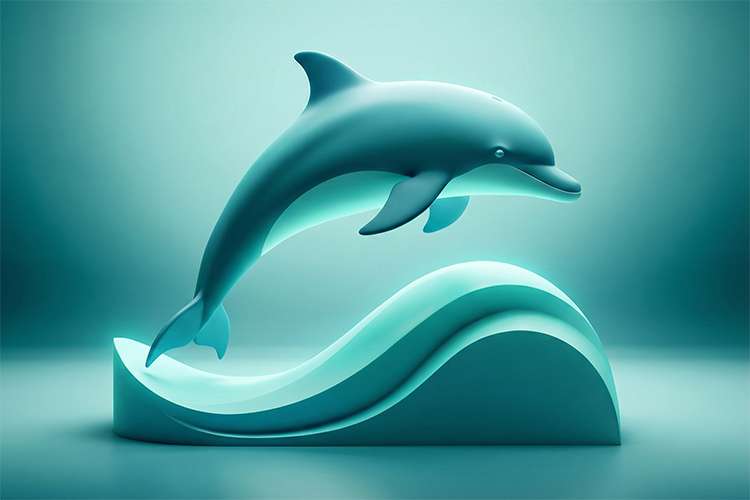
Your Chronotype: Dolphin
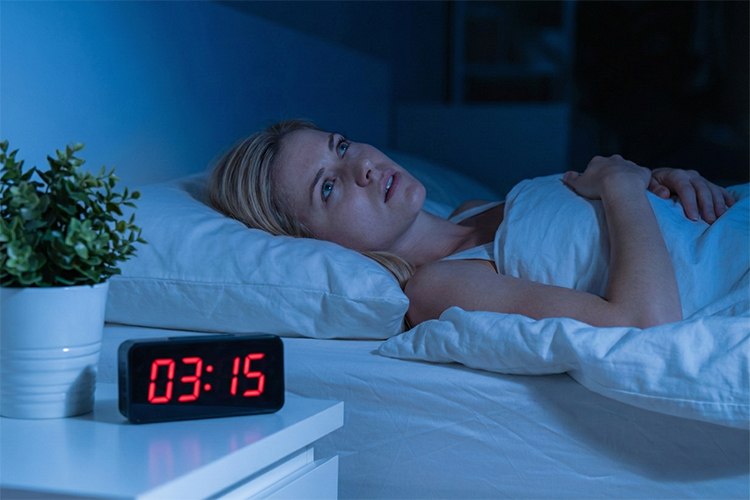
Your sleep is very sensitive: your brain takes a long time to “let go” of thoughts, and stress easily disrupts your schedule. You may feel tired during the day, but a second wind often kicks in closer to the evening. Dolphins often live in a “tired but wired” mode — energy is low, but internal tension remains.
The main task for you is not to “force yourself to get up early,” but to improve sleep quality and reduce evening overload. When sleep becomes deeper and more stable, the day becomes sharply simpler: clarity, steady energy, and more control over your schedule appear.

Your Chronotype: Lion
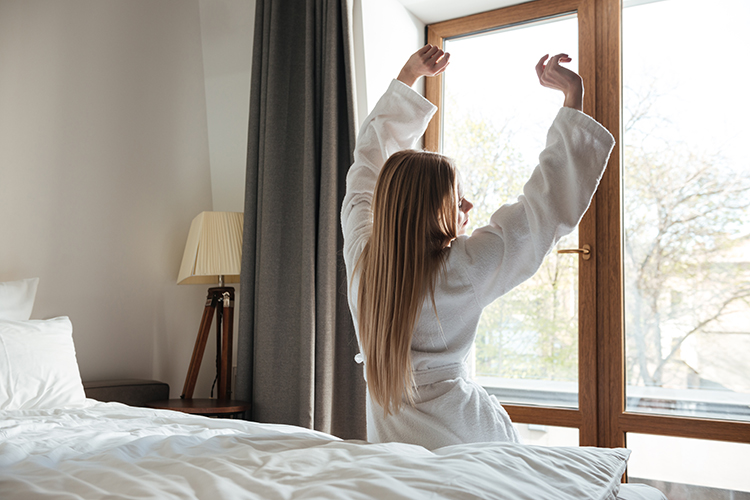
Your peak energy and concentration most often fall in the first half of the day. You “switch on” quickly after waking up and solve complex tasks easier in the morning while your mind is fresh. By evening, your resources gradually decrease, and late activities are perceived as an extra burden.
The best thing you can do is plan important tasks for the morning and treat the evening gently: for you, it is not for sprints, but for recovery. If you do not overload yourself late, you will consistently get the maximum from your natural rhythm.

Your Chronotype: Bear
Your rhythm is closest to the “solar” one: it is easier to wake up and fall asleep when there is a clear schedule. Energy is distributed relatively evenly, but a natural slump is possible in the middle of the day — this is normal for Bears. You work well when the day is structured and without sharp nightly shifts.
Your strength is stability. It is enough to build a predictable sleep and meal schedule and not stay up too late to feel more alert and productive without extra effort.

Your Chronotype: Wolf
Your brain and energy “bloom” closer to the evening. In the morning, you may need more time to get going, but in the second half of the day, and especially in the evening, you often become more composed, creative, and productive. Late hours for you are not a weakness, but a natural window of efficiency.
The key to comfort is not to fight yourself, but to intelligently organize your morning and use your strong time in the evening. If you protect your sleep (especially on weekdays) and do not break your schedule, your evening potential works as a plus, rather than turning into chronic sleep deprivation.

Test Result “Test Yourself”
Hello!
Below is the result of the test you completed.
Test Result
Do you wish to take this test again? Follow this link