Українська
  Русский
  Polski
  Deutsch
  Français
  Español
  Nederlands
  Svenska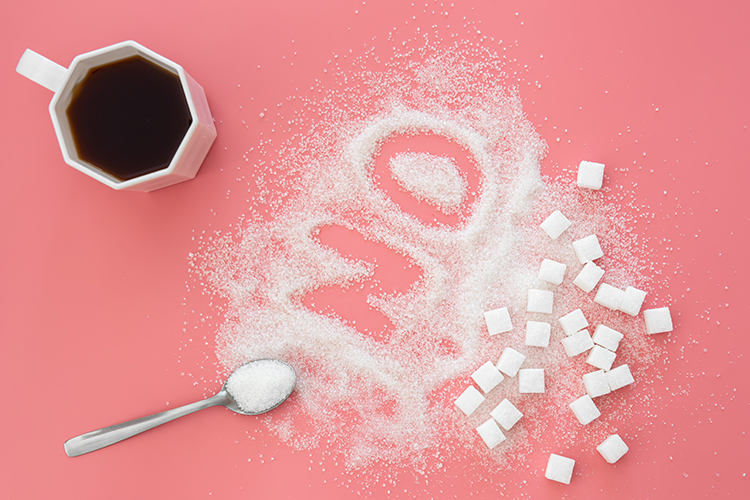
Sugar is an easily digestible refined product that contains virtually no beneficial nutrients for the body. Often, the craving for sweets is not based on a real need but on a psychological dependency—a desire to treat yourself to something tasty. Over time, this habit also becomes a physiological issue: regular consumption of sweets causes sharp spikes in glucose levels and insulin release. Then, blood sugar levels drop quickly, triggering a new feeling of hunger—and the body demands sweets again. This creates a vicious cycle: sugar briefly boosts your mood, but its excess leads to glucose fluctuations and renewed strong cravings for sweets.
The consequences of this “sugar swing” are far from harmless. Studies link high consumption of added sugar to a range of health issues, from obesity and heart disease to the risk of type 2 diabetes. Additionally, excessive sugar can contribute to chronic inflammation and weaken the body’s immune defenses. Constant insulin spikes may lead to episodes of hypoglycemia (low blood sugar), causing weakness and trembling, and in the long term, to an increased risk of insulin resistance and diabetes.
There is only one way to break this vicious cycle—minimize sugar consumption. Below, we’ll look at how to do it with the least discomfort and loss.
1. Identify the psychological reason for your dependency

The first step is to understand why you crave sweets. The thing is, fast-digesting carbohydrates are the simplest source of serotonin, the “pleasure hormone” that helps cope with a bad mood. If you’re used to relieving stress with candy or cookies, your body starts demanding a new portion of sweets as an antidepressant, almost like a drug. Many people experience a psychological addiction to sugar—giving it up causes real withdrawal symptoms, including irritability and low mood.
Try to determine when and why you reach for sweets. Once you identify your triggers (such as boredom, stress, or fatigue), replace sugar with other sources of pleasure and relaxation. For example, serotonin levels can be boosted through physical activity and sports (they stimulate endorphin production), engaging hobbies, fresh air walks, creativity, or spending time with people you enjoy.
When you realize that the discomfort is not caused by a true “need for sugar” but by habit, it becomes easier to overcome that habit and shift to healthier ways of improving your mood.
2. Establish a proper eating routine
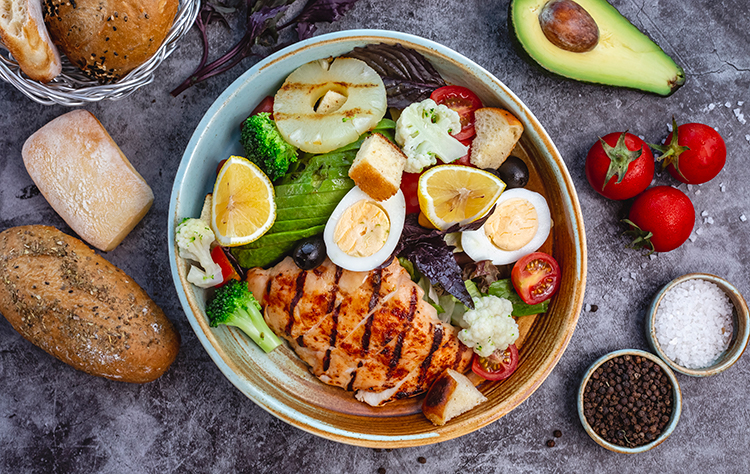
Cravings for sweets often intensify when we’re extremely hungry. The body demands glucose for fuel and urges us to replenish it in the fastest way—by eating something sweet. Regular small meals can help you avoid this trap. Try eating 4–5 times a day, with intervals of no more than 3–4 hours. This routine prevents excessive hunger throughout the day and reduces the likelihood of grabbing sugary snacks on impulse.
A hearty breakfast is especially important, particularly when you’re cutting back on sugar. A full stomach in the morning makes it much easier to avoid snacking before lunch. Include foods rich in protein (eggs, cottage cheese, cheese, plain yogurt, fish, or meat) at breakfast. Protein meals provide long-lasting satiety and help stabilize blood glucose levels. It’s also beneficial to include fiber (whole grain bread, cereals) and healthy fats (such as avocado or nuts)—this balanced breakfast will keep you energized for hours and significantly reduce sugar cravings before lunch.
If you still feel like snacking between meals, opt for healthy snacks—unsweetened fruits, a handful of nuts, plain yogurt, or veggie sticks. They’ll satisfy your hunger without causing a sugar spike.
3. Eliminate the main sources of sugar from your diet

Evaluate your current diet and eliminate products that are the main sources of sugar. In the everyday menu of most people, the highest sugar intake comes from:
- confectionery: candies, cookies, chocolate, waffles, cakes, and pastries;
- sweet baked goods and desserts;
- sweet sauces and spreads, such as jam or chocolate spreads.
Try to avoid keeping or buying such products at home to reduce temptation. If there are no cookies in the cupboard, you won’t eat them in a moment of weakness.
Pay attention to hidden sources of sugar in processed foods. Sugar is often added where we don’t expect it: ketchup and ready-made sauces, smoked sausages, marinades, store-bought mustard, flavored yogurts, breakfast cereals, and so on. A small amount of added sugar is acceptable, but if your goal is to reduce sugar as much as possible, read labels and cut down on products that contain added sugar.
For example, you can replace sweet yogurts with plain ones and add fruit, or use homemade tomato sauce without sugar instead of sweetened store-bought sauces. The less extra sugar you consume daily, the easier it will be for your body to adjust.
4. Add healthy complex carbohydrates to your diet
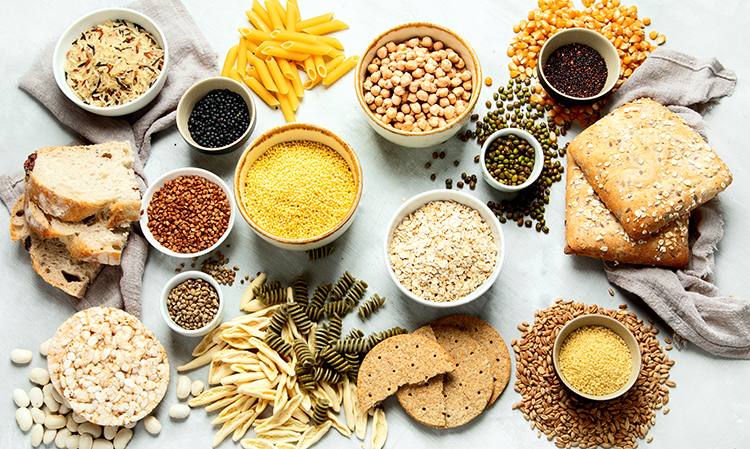
You don’t need to completely give up carbohydrates—they’re an essential source of energy. Instead of fast sugars, focus on complex carbohydrates, which digest more slowly and provide a gradual release of glucose into the blood without sharp spikes. These foods keep you full for longer, help maintain stable blood sugar levels, and reduce the urge to eat something sweet right after a meal.
Healthy sources of complex carbohydrates that you should include in your diet:
- Whole grain cereals: oatmeal, buckwheat, brown rice, quinoa, bulgur, and other whole grains.
- Legumes: beans, lentils, chickpeas, peas—rich in complex carbohydrates and plant-based protein.
- Vegetables: nearly all non-starchy vegetables are high in fiber. Good options include tomatoes, zucchini, eggplants, cabbage, broccoli, carrots, bell peppers, spinach, lettuce, and so on.
- Whole grain flour products: crispbreads or bread made from whole wheat flour, whole grain pasta (made from durum wheat), bran crackers, whole grain flatbreads, etc.
Include such foods in at least two meals in the first half of the day (for example, breakfast and lunch). They will provide a feeling of fullness for 3–4 hours and meet your body’s carbohydrate needs without sugar spikes. As a result, you’ll have fewer reasons to reach for cookies or candy between meals.
There are no strict limits on quantity—complex carbohydrates are beneficial as part of a healthy diet. However, remember to maintain balance and try to combine them with vegetables, protein, and healthy fats for optimal results.
5. Switch to natural sweets—fruits and honey
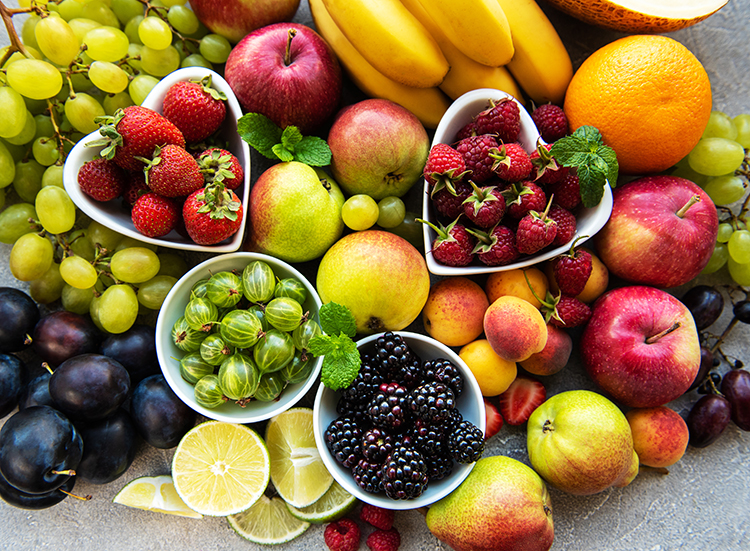
Fruits can become your best ally in fighting sugar cravings. They contain fructose—a natural sugar that can fully satisfy the desire for something sweet without resorting to refined sugar.
Of course, fructose is still a sugar in chemical terms. However, consuming sweets in the form of whole fruits is much safer and healthier, at the very least because fruits also contain fiber, vitamins, and water. Fiber slows the absorption of sugars, so glucose from fruit enters the bloodstream more gradually than from a pastry or sugar cube. Moreover, less insulin is required to metabolize fructose (from whole fruits) than glucose. This means that fruits place less strain on the pancreas than refined sugar and are less likely to cause sharp spikes in blood glucose levels.
Nutritionists recommend satisfying sweet cravings with fruits when giving up sugar. Fresh fruits, natural dried fruits with no added sugar (apricots, prunes, dates, etc.), and moderate amounts of honey are all good options. These products don’t cause the same sugar spike as pure sugar or candy, yet fully satisfy the desire for something sweet.
For example, if you’re craving dessert, eat a few dates or a handful of raisins—you’ll get natural sweetness along with fiber and micronutrients instead of empty calories from sugar. A chocolate bar can easily be replaced with a handful of sweet grapes or a ripe banana. Honey can be spread on whole grain crispbread instead of the usual jam—this also makes it easier to transition to a lower-sugar lifestyle.
Moderation still matters
Fruits and honey are quite calorie-dense, and excess fructose is also undesirable. But to start, it’s better to eat an extra apple or a spoonful of honey than a slice of cake—this way, at least you reduce the harm from sugar and enrich your diet with vitamins.
6. Give up sugary drinks
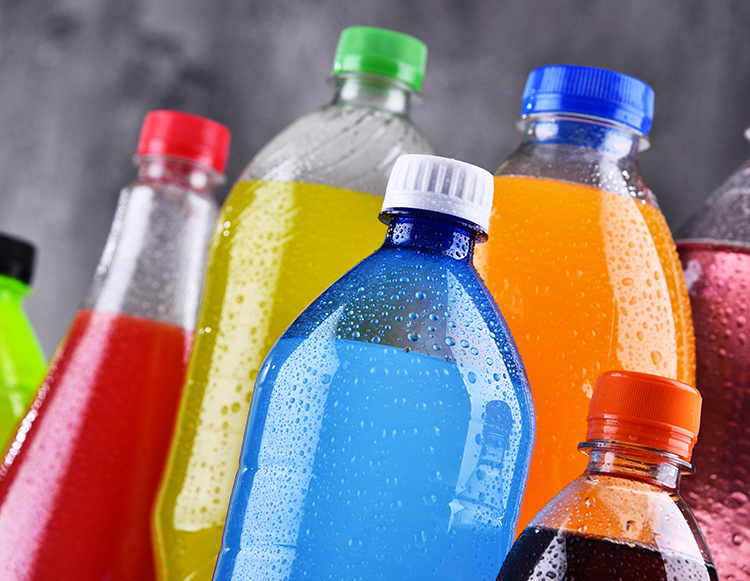
Many people, when quitting sugar, easily give up cakes and candies but forget about sugary drinks. Yet sugar consumed in liquid form can be even more insidious than sugar eaten in solid form.
So-called “liquid calories” can quietly add a large amount of sugar: for example, a 0.5-liter bottle of soda contains about 50–60 g of sugar, which equals ~12–15 teaspoons! By comparison, the conditionally safe daily limit of added sugar is about 6 teaspoons. So just half a liter of soda can instantly double your daily sugar limit.
It’s no surprise that regular consumption of sugary drinks is associated with an increased risk of weight gain and metabolic disorders. According to a Harvard study, people who drink 1–2 cans of soda a day have a 26% higher risk of developing type 2 diabetes than those who rarely consume such beverages. Another large-scale study showed that women who drank one glass of soda daily were almost twice as likely to develop diabetes as those who consumed such drinks only occasionally.
Remember that sugary drinks are not limited to obvious sodas and colas. Packaged juices, even those labeled “100% juice,” contain natural fruit sugar in high concentrations—essentially liquid fructose without fiber, almost like syrup. Energy and sports drinks, store-bought iced tea, coffee with syrups, sweet lemonades, milkshakes, hot chocolate—all of these contribute a large amount of hidden sugar to your diet. Even seemingly healthy drinks like smoothies or homemade lemonade can contain a lot of sugar, especially if you add honey, syrup, or large amounts of sweet fruits.
The best solution is to completely eliminate sweetened beverages in favor of unsweetened ones. Quench your thirst with plain water (you can add a slice of lemon or cucumber for flavor), sugar-free sparkling water, unsweetened tea, black coffee, or coffee with milk without sugar.
If quitting all at once is difficult, reduce sugar gradually: put less sugar in your tea and coffee, dilute juice with water, or switch to less sweet options (for example, tea with one teaspoon of sugar instead of two, or juice diluted 50/50 with water instead of undiluted). Over time, your taste buds will adjust, and you’ll begin to appreciate the natural flavors of beverages without them being masked by sugar.
Important
It’s useful to understand that liquid calories suppress hunger less effectively than solid food. Drinking a glass of cola (150–200 kcal) won’t make you feel full, and you may end up eating a full meal on top of it. But if you consume the same number of calories from a bowl of porridge or a piece of meat, you’ll definitely feel satisfied. That’s why sugary drinks are the most direct path to excess calories and weight gain—even if the rest of your diet is moderate.
7. Transition to healthy eating gradually

Suddenly quitting sugar is a serious challenge for both your mind and your metabolism. Ideally, the process should be gradual and free from intense discomfort. Don’t demand instant results from yourself or push your body too hard. If you experience physical symptoms—such as dizziness, trembling in your hands and legs, or weakness—when drastically cutting sugar, it’s better to pause and consult a doctor. These symptoms may indicate metabolic issues (like hidden problems with insulin production) that have been triggered or worsened by the diet. A professional can help adjust your eating plan to stabilize your condition.
Even if you feel physically fine, consider the psychological factor. If a “sugar-free life” feels like constant gloom and apathy, and you’ve lost your sense of joy—it might mean you’re going too hard too fast. Reducing sugar intake should be as gradual and comfortable as possible.
For example, start by eliminating sugary drinks—this alone will significantly reduce your overall sugar intake. Then gradually cut back on obvious sweets: first remove the daily candy with tea, then reduce the amount of baked goods and desserts to a minimum. At the same time, increase your intake of fruits and complex carbohydrates, as recommended above, to compensate for the lost sweetness.
This step-by-step approach gives your mind time to adapt. You won’t feel suddenly “deprived of pleasure,” and your taste preferences will slowly change. After a few weeks, many people notice that previously loved sweets now taste overly sugary, and they no longer crave them like before. Gradual change increases the chances that you’ll successfully maintain a new, healthier eating style and avoid falling back into old habits.
In conclusion: quitting sugar isn’t easy, but it is absolutely achievable. The key is to understand your craving triggers, build a convenient eating routine, and replace harmful habits with healthy alternatives. Support yourself: celebrate your progress, find like-minded people, or seek encouragement from friends and family.
Over time, you’ll notice positive changes—more stable energy levels throughout the day, improved well-being, and possibly weight loss and reduced disease risk. Let sweets become an occasional treat on holidays, not a daily necessity.
Remember: healthy eating is not a short-term diet but a way of life. By cutting back on sugar, you’re making an important step toward better health and longevity. Your body will definitely thank you!