Українська
  Русский
  Polski
  Deutsch
  Français
  Español
  Nederlands
  Svenska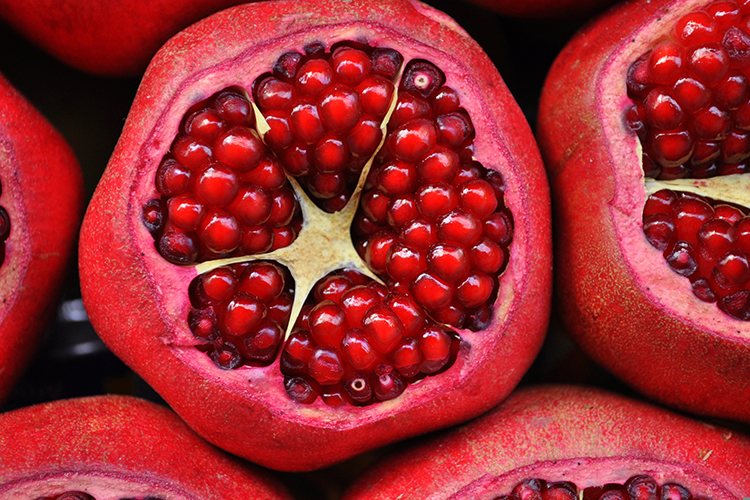
Imagine standing before a fruit counter. Among the usual apples and oranges, one always stands out—the pomegranate. With its deep color and “crown” on top, this fruit has been considered a symbol of life and longevity for centuries. In ancient times, it was called a “pharmacy in a single fruit,” and modern scientists are ready to subscribe to every word of their predecessors.
Today, the pomegranate has officially moved from the category of a holiday dessert to the category of “superfoods”—products capable of actively influencing our health at the cellular level.
We have collected 9 amazing health benefits of pomegranate that will help you look at it in a new way. You will learn why this bright fruit should be included in your diet and how it actually works inside our body.
1. Vitamin Confusion and Natural Defense
Many are used to considering pomegranate a vitamin “bomb,” but there is an important nuance here. Articles often call it a rich source of vitamin PP. In reality, this is an old naming error: vitamin PP is niacin (B3), and there is very little of it in pomegranate. The fruit’s real value lies in vitamin B9, which scientists call folates.
Folates (the natural form of folic acid) are critically important for cell division and energy production. Just one glass of pomegranate juice can provide up to 16% of your daily value of this element.
Fresh pomegranate is also rich in vitamin K, necessary for bone strength and proper blood clotting. But be careful with vitamin C: there is plenty in fresh seeds, but in store-bought juice, it is almost completely destroyed by heating (pasteurization) unless the manufacturer added it specifically.
2. Clean Vessels and Protection Against Plaque
Heart health depends not only on pressure but also on the “cleanliness” of the arteries. This is where unique pomegranate substances come onto the stage—punicalagins. They work like bodyguards for our body: they protect “bad” cholesterol from oxidation.
This is extremely important because it is oxidized cholesterol that turns into those very plaques that clog vessels. Pomegranate helps activate enzymes that literally “clean” the arteries, preventing the development of atherosclerosis.
3. Light Step: How Pomegranate Protects Joints
If you feel stiffness in movement or knee pain, pomegranate can become your secret ally. Its action is aimed at protecting cartilage tissue.
Our joints contain special enzymes that begin to destroy collagen during inflammation. Substances from pomegranate block these “destroyers,” slowing down joint aging and helping them remain flexible longer.
4. Personal “Cardiologist” in a Glass
If vessels had a best friend, it would definitely be the pomegranate. Studies show that it works as a natural remedy for relaxing blood vessels. Its components help block a special enzyme that causes our vessels to constrict.
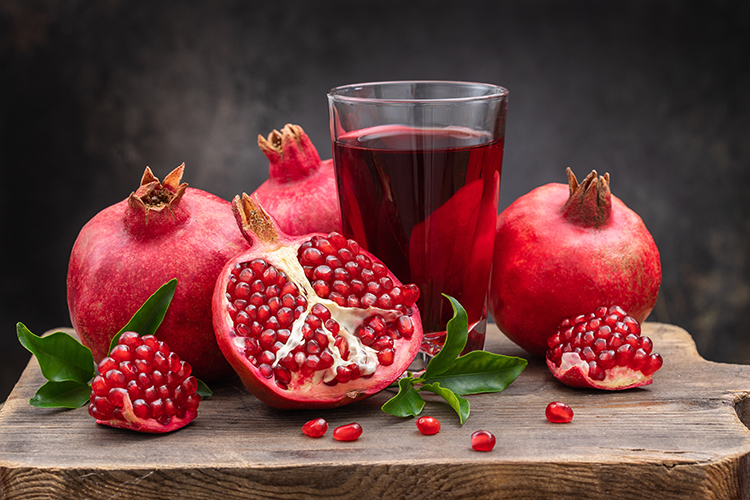
As a result, regular consumption of juice (from half to a whole glass a day) helps smoothly and safely lower blood pressure. This makes pomegranate an indispensable helper for those who care about heart health.
5. “Deep Cleaning” for the Brain
One of the most impressive discoveries of recent years is related to the influence of pomegranate on memory and brain function. It turns out that when we eat pomegranate, our microflora creates a special compound—Urolithin A.
This substance is capable of penetrating the brain and triggering the process of “self-cleaning” cells from damaged parts there. Such “cleaning” helps protect the brain from age-related changes and improves the ability to concentrate attention.
6. A Secret Ally in the Fight Against Anemia
There is an old belief: “Since pomegranate is red, it means there is a lot of iron in it.” In reality, there is not so much iron in it—to get the daily value, you would have to eat a whole mountain of fruit. But pomegranate works magnificently as an “amplifier.”
Thanks to natural acids in the juice, our body absorbs iron from other food (for example, from meat or legumes) 3–6 times more effectively. In addition, pomegranate antioxidants strengthen blood cells themselves, prolonging their life.
7. A Sweet Fruit That Befriends Insulin
Usually, sweet fruits are limited in diabetes, but pomegranate is a pleasant exception. Its components know how to slow down the absorption of sugar in the intestines, so it does not cause sharp spikes in blood glucose. Moreover, pomegranate helps body cells respond better to insulin.
Interesting Fact
Some old books advise taking juice “60 drops at a time.” Researchers found out that this is a mistake: such a dose refers to bitter alcohol tinctures. For real benefits, you need to drink about 150–200 ml of ordinary juice per day.
8. Natural First Aid Kit: From Sore Throats to Burns
All parts of the pomegranate—from the pulp to the seeds—have an antimicrobial effect. The juice helps relieve cold symptoms and is excellent for gargling with a sore throat.
But the most amazing thing is the healing power of the peel. If you mix dried peel powder with olive oil, you get an ointment that heals burns and skin cracks faster than some pharmacy remedies.
9. Protection at the DNA Level
Pomegranate is recognized as an effective means for the prevention of serious diseases, including certain types of cancer (for example, prostate and breast cancer). It slows down the growth of unwanted cells and protects our genetic code from damage.
The fruit is also recommended for those living in zones with increased background radiation, as it helps protect DNA from the effects of radiation.
How to Choose the Ideal Pomegranate?
To ensure the fruit brings maximum benefit, look for two signs when buying:
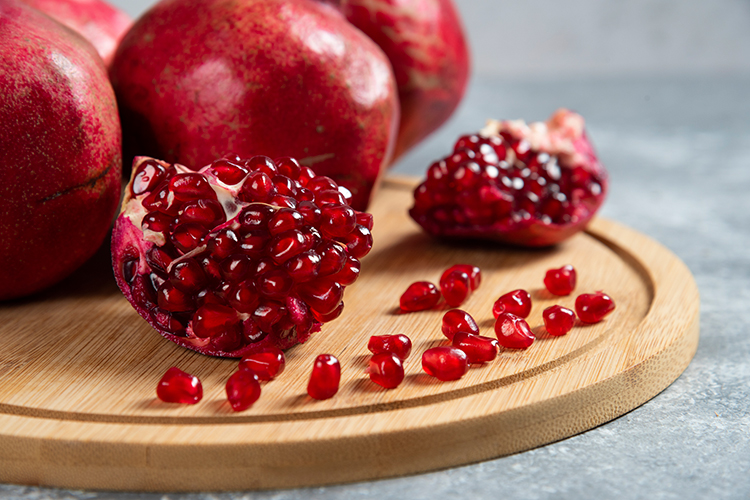
- Peel: It should be dense and slightly dried, as if it is slightly tightening around the seeds inside. A good pomegranate is always heavier than it looks.
- “Crown”: On a ripe fruit, the place where the flower was should be dry and evenly colored. A green shade is a sign that the fruit was picked unripe.
Who Should Be Careful?
Despite all the benefits, pomegranate is a very active product. Due to high acidity, it should not be eaten with stomach ulcers or gastritis. It is not recommended to give juice to babies under one year old, and for older children, it is better to dilute it by half with water.
Also remember that pomegranate can affect liver function and alter the effect of certain medications, for example, blood thinners (warfarin) or cholesterol-lowering drugs (statins). In such cases, it is better to consult a doctor before leaning on pomegranates.
Pomegranate is an amazing gift of nature. Let it become your faithful ally in the fight for health and longevity!