Українська
  Русский
  Polski
  Deutsch
  Français
  Español
  Nederlands
  Svenska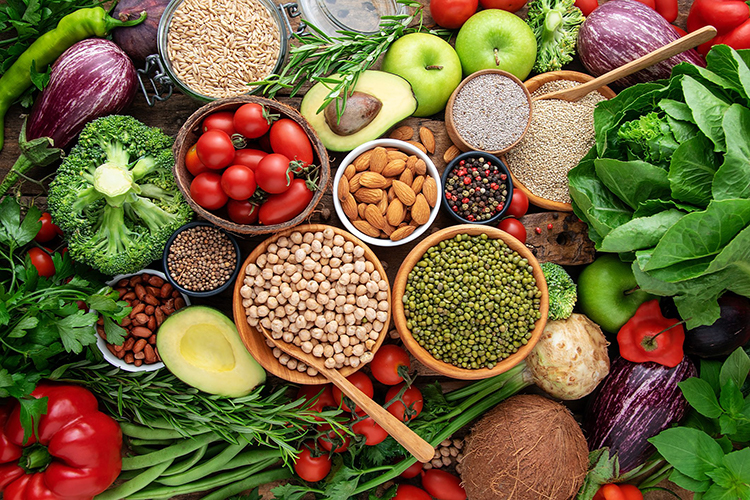
High consumption of dietary fiber brings significant health benefits. Scientists note that people who regularly eat fiber-rich foods live longer: their risk of premature death is 15–30% lower than those who consume little fiber. These people are less likely to suffer from cardiovascular diseases, type 2 diabetes, and even certain types of cancer.
In other words, fiber is one of the most important components of a healthy diet, affecting both quality and longevity of life.
What is dietary fiber?
These are components of plant foods (fiber) that are not digested by the enzymes of our stomach and small intestine. However, in the large intestine, our “beneficial” bacteria can process them. Feeding on fiber, the microbiota grows actively and performs many beneficial functions. In fact, fiber is food for the gut ecosystem. It fills the intestinal contents, affects the absorption of other nutrients, and ensures a proper digestive rhythm.
It is no coincidence that fiber is called “a broom for the intestines”: as it passes through the gastrointestinal tract, it swells, collects various waste and toxins, and then is naturally eliminated. But that’s not all! Once in the large intestine, fiber becomes the basis for fermentation. Friendly bacteria process it, producing short-chain fatty acids (such as butyrate, acetate). These substances nourish the intestinal lining, reduce inflammation, and, as research shows, may enhance the immune defenses of the body. A true symbiosis: we feed the bacteria with fiber, and they help us stay healthy.
Undeniable health benefits
Scientists have accumulated a huge body of evidence on the positive effects of fiber. Here are the main ones.
Heart and vascular protection
A fiber-rich diet lowers levels of “bad” cholesterol (LDL) in the blood. Soluble fiber (found in oats, legumes, apples) binds to fatty acids and cholesterol in the intestines, preventing their absorption. As a result, the blood lipid profile improves — LDL cholesterol levels drop, along with the risk of atherosclerosis.
In addition, high fiber intake is associated with lower blood pressure and reduced systemic inflammation, which also protects against heart disease. Observations show that fiber lovers have 15–30% fewer heart attacks and strokes.
Diabetes prevention
Dietary fiber helps control blood glucose levels. When we eat foods high in soluble fiber, digestion slows down. Sugars from food enter the bloodstream gradually, without sharp spikes. This reduces the load on the pancreas and improves tissue sensitivity to insulin.
Studies show that people whose diets are rich in fiber are less likely to develop type 2 diabetes. “Soft” fibers from oats, barley, legumes, berries, and other fruits are especially beneficial in this regard.
Healthy intestines
The most well-known function of fiber is to normalize bowel function. Insoluble fiber (found in bran, whole-grain bread, nuts, vegetables) absorbs water and increases the volume of intestinal contents. Stools become softer and bulkier, which stimulates peristalsis (wave-like contractions of the intestines) and facilitates regular bowel movements. In simple terms, fiber is the best natural remedy for constipation.
Scientific studies note that people in countries where coarse plant foods are traditionally consumed have a significantly lower incidence of intestinal tumors. One explanation: fiber speeds up the movement of food masses, reducing the contact time of potential carcinogens with the intestinal wall. Plus — the same support for healthy microflora: “good” bacteria that feed on fiber suppress the growth of harmful microbes capable of producing carcinogenic substances. Thus, adequate fiber intake is an important part of preventing intestinal diseases.
Weight control
If you want to maintain a healthy weight, do not neglect fiber. High-fiber foods are usually less caloric and more filling than processed foods. For example, a plate of vegetable salad will satisfy you much better than a bun, even though the salad contains fewer calories.
Fiber swells in the stomach and creates a feeling of fullness — making overeating less likely. In addition, chewing raw carrots or a handful of nuts takes more time than eating cookies, so the feeling of satiety comes sooner.
It’s no coincidence that dietitians advise people on weight-loss diets: “Eat more vegetables, bran, legumes.” This helps you eat less overall. As a result, those who consume a lot of fiber are less likely to be overweight or obese. Maintaining a healthy weight, in turn, reduces the risk of many diseases and increases the chances of living longer.
Longevity
The combined effect of all these benefits is that fiber lovers generally live longer. Large epidemiological studies (hundreds of thousands of participants) consistently show that the group with the highest fiber intake has significantly lower all-cause mortality rates.
In simple terms, fiber helps us not only avoid disease but also “postpone the encounter” with them, preserving health for many years.
How does it work?
What is the secret of fiber’s remarkable properties? Let’s summarize the mechanisms of action.
- The first is mechanical: fibers swell and increase the bulk of the food mass, which activates the intestines. They also change the physical properties of food — making it more viscous (in the case of soluble fiber) or coarser (if the fiber is insoluble). This affects the rate of digestion and absorption. For example, the viscous gel from soluble fiber “slows down” carbohydrates, so glucose enters the blood more slowly. Insoluble fibers speed up food transit, preventing excess calories from being fully absorbed.
- The second mechanism is binding substances in the intestines. Fiber can capture molecules of fats, fatty acids, cholesterol, and even toxins on its surface, removing them from the body. This is especially true for pectins, beta-glucans, and other soluble fibers.
- The third mechanism is a nutrient medium for microflora. Our intestines are inhabited by trillions of bacteria. When they get enough fiber, beneficial strains (bifidobacteria and lactobacilli) dominate. They displace pathogenic “competitors” and produce many bioactive substances: vitamins, short-chain fatty acids, antioxidants. All this improves the internal environment of the intestines and even affects immunity and metabolism throughout the body. Conversely, if fiber is scarce, starving microflora begins to “eat” us — damaging the intestinal lining, which can lead to chronic inflammation.
The conclusion is simple: without enough dietary fiber, the gastrointestinal tract cannot function properly.
Fiber is not a cure-all
Of course, fiber should not be seen as the only beneficial dietary element. It is just one (albeit very important) component of a balanced diet. You can’t think that sprinkling fast food with bran will automatically make it healthy. The body also needs proteins, healthy fats, vitamins, and minerals.
Fiber works most effectively in the context of a varied healthy diet. For example, to lower cholesterol, it is important not only to eat oatmeal but also to limit saturated fats. So, follow a comprehensive approach: eat more plant-based foods, but don’t forget about other nutrients.
How much fiber do we need and where to get it?
Dietitians around the world agree: we need to consume more fiber than the average person currently eats. The recommended daily intake for an adult is about 25–35 grams of dietary fiber. For example, in the US they recommend 28 g for women and ~34 g for men per day with a normal calorie intake. The World Health Organization also sets a target level of ~30 g/day.
However, in reality, most people consume barely half of this amount. In the typical diet of developed countries — which many others tend to follow — the share of refined foods is too high: white bread, baked goods, sweets, polished rice. During grain processing, the bran — the main source of fiber — is removed. As a result, white flour contains only traces of fiber.
If your diet is full of baked goods, white flour pasta, sugary drinks, etc., then even while meeting your calorie needs, you are falling short on fiber. Add to that the lack of vegetables and fruits — and the problem is obvious. For example, the average European consumes ~15–20 g of fiber per day, which is clearly insufficient. Therefore, doctors advise: try to include fiber in every meal. Specific recommendations are below.
In addition to quantity, fiber quality is also important — meaning the variety of its sources. As we have already discussed, different types of dietary fiber work in different ways. Therefore, the best strategy is to get fiber from various foods every day.
Below, we list the main fiber-rich groups and explain how to add them to your diet.
Vegetables
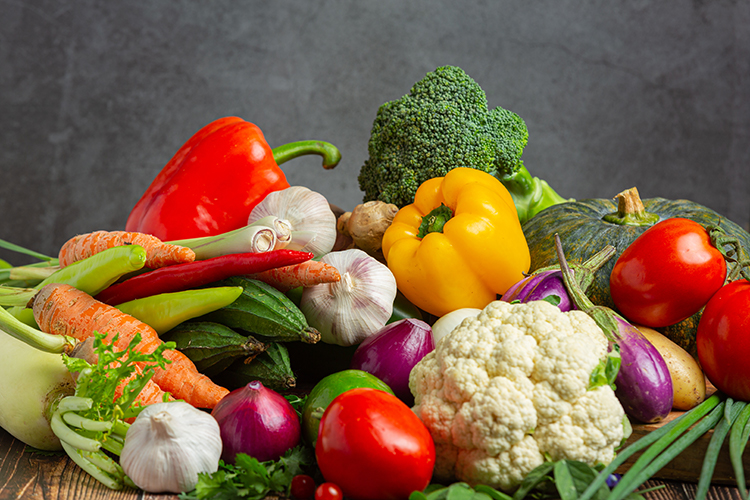
All non-sweet vegetables are a treasure trove of insoluble fiber (cellulose, hemicellulose, lignin). Particularly rich are cabbage, carrots, beets, broccoli, cauliflower, green beans, celery, and pumpkin. Aim to eat at least 3–5 servings of vegetables a day.
Lifehack
Eat vegetables raw or lightly cooked. Slightly crunchy vegetables retain the maximum fiber content. Do not overcook them to mush — prolonged boiling destroys some of the fibers.
Add fresh vegetables to every meal — salads, side dishes, snacks (carrot, cucumber). And don’t throw away the skin whenever possible! The skin contains a high concentration of fiber. Potatoes in their jackets, cucumbers with skin, apples or pears eaten whole — all of these increase the fiber content in your diet.
Fruits and berries
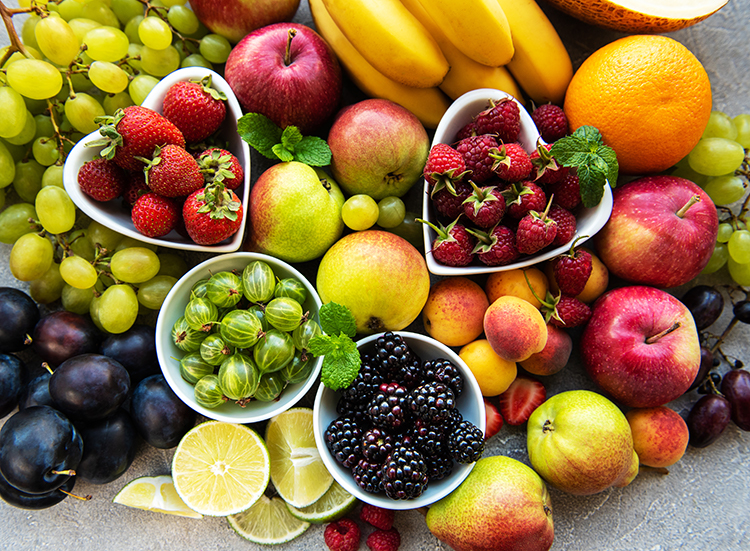
They contain both insoluble fiber (in the peel, segment membranes) and soluble fiber (in the soft pulp — pectins). Particularly rich in fiber are apples, pears, plums, avocados, bananas, figs, dates, citrus fruits, and berries such as raspberries, blackberries, and currants.
For example, one medium apple with skin provides about 4 g of fiber. The standard recommendation is 2–3 fruits and a handful of berries each day.
Tip
It is better to eat fruits whole rather than as juices. Whole fruits retain their fiber, whereas juice is essentially a sugary liquid without fiber (especially clarified juice). So, it’s better to eat an orange in slices than to drink it in a glass.
Another excellent source is dried fruits. Water is removed, but the fiber remains in concentrated form. Prunes, dried apricots, figs, and dates can provide 5–10 g of fiber per 100 g. A couple of prunes or a handful of raisins can replace a candy with tea and at the same time enrich your diet with fiber. Just remember that dried fruits are quite high in calories, so moderation matters.
Whole grain products
© Factum-Info
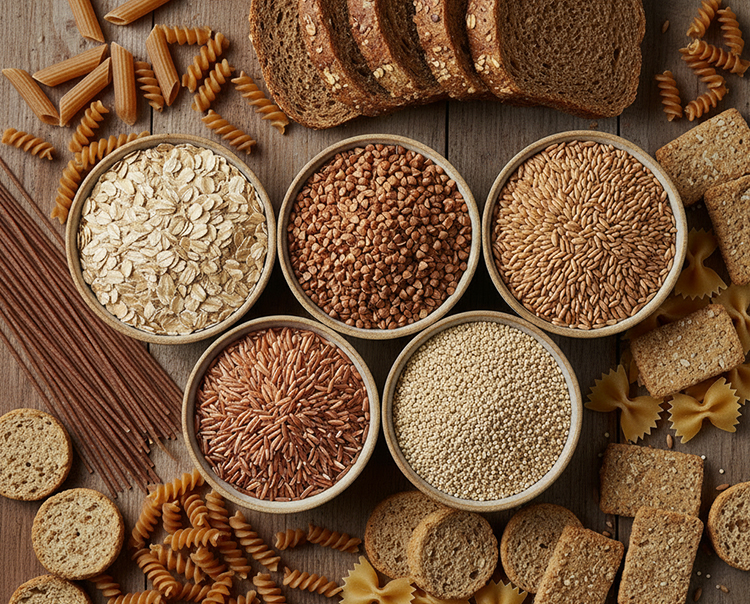
Grains are an important source of fiber, especially insoluble. “Whole grain” means made from the entire grain, retaining the bran and germ. Whole grain bread, whole grains (oats, brown rice, buckwheat, bulgur, quinoa, whole wheat, rye), muesli, and porridges from them all provide plenty of fiber for our bodies.
For example, just 2 slices of wholemeal bread contain about 5–6 g of fiber, and a bowl of oatmeal about 4 g.
Try to make sure that at least half of the grains in your diet are whole grain.
In practice: replace white bread with bran or whole grain bread, swap sugary breakfast cereals for oatmeal (or add a couple of spoons of bran to yogurt). Instead of white rice, choose unpolished brown rice or other grains. Opt for pasta made from durum wheat, or better yet — from whole grain flour or legumes (nowadays you can find pasta made from chickpeas or lentils). Such simple substitutions will significantly increase your fiber intake.
Legumes
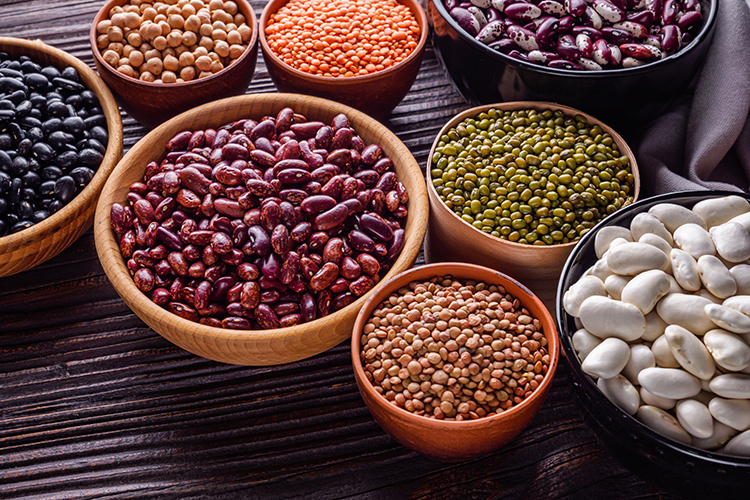
Beans, peas, lentils, chickpeas, and soybeans are champions in fiber content. One hundred grams of cooked beans contains about 7–8 g of dietary fiber! Legumes contain a mix of different fibers: a tough insoluble shell and “soft” soluble components (pectin, gums), so they both improve digestion and help lower cholesterol and blood sugar.
Add legumes to your menu 2–3 times a week or more if you tolerate them well. You can prepare stand-alone dishes (lentil soup, chickpea hummus, stewed beans) or add them in small amounts to salads, soups, and side dishes.
Important
In some cases, legumes may be contraindicated (for example, during flare-ups of gout or irritable bowel syndrome), so follow your doctor’s recommendations. In general, legumes are invaluable for healthy people.
There is evidence that regular legume consumption is associated with a lower risk of certain diseases. In particular, diets high in beans and peas are linked to reduced cholesterol levels and improved heart health.
Nuts and seeds
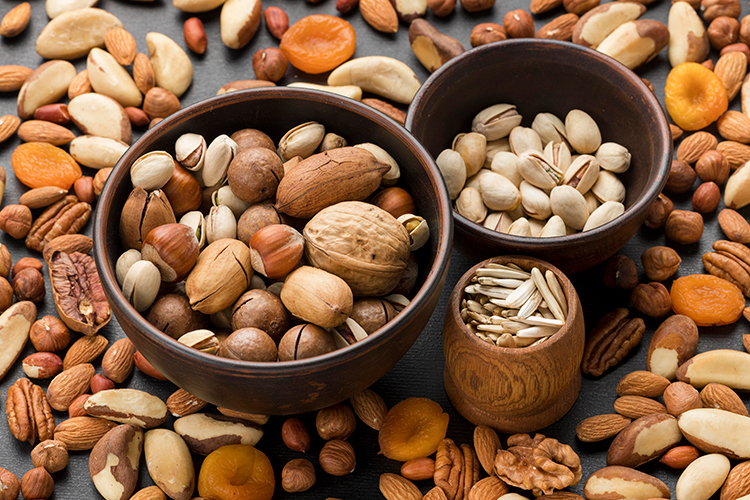
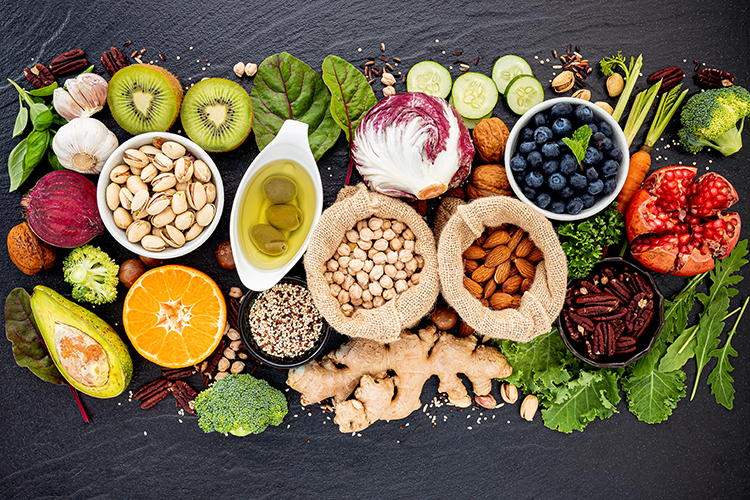
Almonds, hazelnuts, walnuts, pistachios, sunflower seeds, pumpkin seeds, flaxseeds, and chia seeds all contain significant amounts of fiber (on average 5–10 g per 100 g). In addition, nuts are rich in healthy fats, vitamins, and minerals.
Add a handful of nuts to porridge, yogurt, or salad — you’ll get both crunch and benefits. However, note that nuts and seeds are very high in calories (due to fats). Therefore, 20–30 g of nuts a day is enough, especially if you are watching your weight. Even this portion will provide ~2–3 g of fiber, not to mention other benefits.
To sum up: dietary fiber is found only in plant foods. If you want fiber — eat what grows in the garden, on a tree, or in a field. There is none in meat, fish, or milk. A plant-based diet — vegetables, fruits, whole grains, legumes, nuts — will provide you with fiber and many other beneficial substances.
How to safely increase fiber intake?
If you decide to change your diet, remember the “gradual increase” rule. A sudden boost in fiber intake (especially from bran or legumes) may cause bloating, rumbling, excessive gas, and even cramps. This does not mean fiber is “harmful” — your gut bacteria just need time to adapt to the new abundant food.
Start small: add one serving of vegetables or fruits beyond your usual, swap white rice for brown, try beans instead of potatoes. Do this little by little, but consistently.
For example, set a goal to include legume dishes in your diet three times a week. Or eat a handful of berries daily. After a week or two, increase the amount a little more. Step by step, you will reach the recommended fiber intake, and your intestines will respond positively.
Don’t forget to drink enough water — at least 6–8 glasses of fluid per day (unless contraindicated). Fiber works by absorbing water; without fluids, fibers can actually cause constipation. Therefore, always combine fiber-rich foods with adequate hydration.
Can natural fiber be replaced with supplements?
Pharmacies and stores sell various fiber supplements: powders (psyllium, bran, inulin), tablets, and capsules. They may be useful if your diet is limited for some reason (for example, due to food allergies or a therapeutic low-fiber diet).
Supplements are sometimes recommended for persistent constipation or other bowel issues. However, doctors unanimously agree: it is better to get dietary fiber from regular food. Natural products contain not only fiber but also vitamins, minerals, and antioxidants — all of which are absent in purified powders.
Moreover, the variety of fiber types in a supplement is limited (most often it is just one type — for example, only psyllium). Whole foods provide a whole bouquet of fibers. Therefore, use fiber powders only as a temporary measure or on your doctor’s advice, if you really cannot meet your needs with food. Even then, try to enrich your diet with fruits, vegetables, and whole grains at the same time.
Conclusion
Dietary fiber is your ally on the path to good health. It improves digestion, helps control weight, protects the heart, blood vessels, and intestines, and even supports immunity.
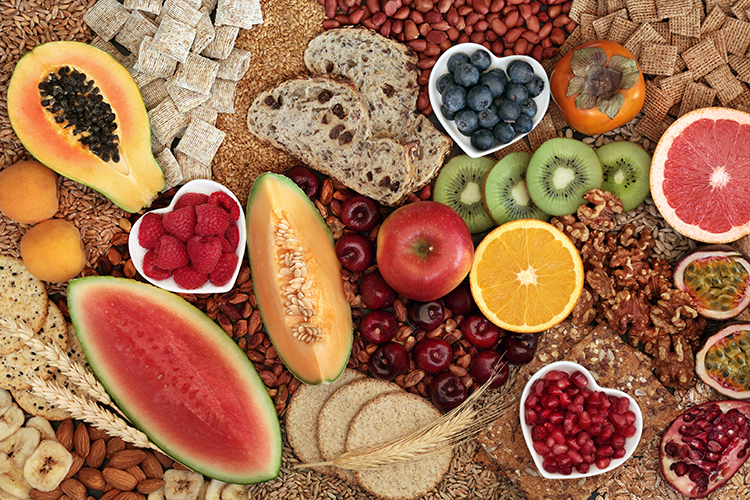
Unfortunately, modern people often lack fiber, but this is easy to fix — just make small changes to your diet. Eat more vegetables and fruits (preferably fresh, with skin), choose whole grain bread and cereals, and don’t forget about legumes, nuts, and seeds.
Try to get different types of fiber every day. Your body will reward you with good health, energy, and perhaps even extra years of active life!