Українська
 Русский
 Polski
 Deutsch
 Français
 Español
 Nederlands
 Svenska

Depression has long been considered one of the most serious problems in modern society. The fast pace of life, high performance demands, and constant information overload — all of this can lead to stress and, as a result, a weakened immune system.
According to the World Health Organization, hundreds of millions of people around the world experience symptoms of depression in one form or another. And although the pharmaceutical industry offers many medications, they often come with unwanted side effects and the risk of relapse after treatment ends.
Therefore, many specialists recommend paying special attention to non-drug methods of treatment and prevention at the early stages of depression. Below are the most effective ones.
1. Cognitive Behavioral Therapy

Cognitive Behavioral Therapy (CBT) is based on the understanding of the connection between our thoughts, emotions, and actions. Under the guidance of a psychologist or psychotherapist, a person learns to notice and analyze their own negative beliefs and emotional responses. The goal is to replace destructive or distorted thoughts with more realistic and constructive ones. This helps reduce anxiety and find real ways to solve life problems. In cases of mild depression, a course of several sessions may bring noticeable relief, after which the patient can continue practicing the acquired skills in daily life.
One of the advantages of CBT is its structured and practical focus. The specialist gives specific “homework” aimed at developing new thinking and behavioral habits. This helps the person not only become more aware of their emotional states but also use the acquired skills to prevent possible relapses in the future.
2. Physical Exercise

Regular physical activity is considered one of the most effective ways to boost overall body tone. Scientists have long found that moderate physical activity promotes the production of serotonin — the so-called “happiness hormone,” which has a positive effect on mood. Physical exercise helps normalize appetite and sleep, improves self-esteem, and strengthens the immune system.
It is not necessary to jump into intensive workouts at the gym right away. Even daily walks in the fresh air or a light jog in the park can bring noticeable benefits. If you prefer more dynamic activities, you can try aerobics, dancing, team sports, swimming, or cross-country skiing (in winter). It is important to choose the type of activity you enjoy, as this greatly increases the chances of regular workouts and long-term results.
3. Massage

Massage for depressive conditions can be divided into two main categories based on its effects on the body. Relaxation techniques trigger the release of oxytocin — the hormone responsible for feelings of trust, calm, and safety. Such procedures are especially useful for anxiety and insomnia, as they promote deep relaxation and improve sleep quality.
At the same time, more intense types of massage stimulate the release of endorphins, often called “happiness hormones.” Increasing their levels helps maintain a good emotional state and boosts energy. In the practice of fighting depression, various techniques are often alternated, including hot stone therapy and aromatherapy (use of essential oils). The combination of pleasant scents and touch enhances the relaxing and healing effects on the body.
4. Yoga and Meditation

Yoga is an ancient system that combines physical exercises (asanas) and breathing practices (pranayama) that foster an attentive relationship with one’s body and internal processes. It is believed that regular yoga practice helps reduce cortisol (the stress hormone), which in turn lowers tension and anxiety.
Meditation, in turn, allows the mind to find calm and teaches how to observe thoughts without being drawn into negative experiences. Scientific studies confirm that mindfulness practice can stabilize emotional states, increase resilience to stress, and even positively affect cognitive functions (such as memory and concentration). You can start with a few minutes of meditation a day, gradually increasing the time and trying different techniques depending on personal preferences.
5. Acupuncture

Acupuncture and related reflexology practices originate from traditional Chinese medicine. They are based on stimulating biologically active points located on the human body. It is believed that this can regulate the flow of energy in the body, relieve pain, and improve overall well-being. For depression, reflexology helps cope with stress and anxiety, and sometimes this approach can be highly effective.
Recently, laser acupuncture is being used more often — instead of traditional needles, active points are stimulated with laser, making the procedure less painful and more comfortable for the patient. However, the traditional form of acupuncture, when performed under sterile conditions, is also considered a safe and effective complement to other methods.
6. Medicinal Herbs

The use of healing plants to combat anxiety and depressive states has been practiced for many centuries. St. John's wort, mint, lemon balm, hops, rosehip, and hawthorn — all of these herbs have calming and strengthening effects. Infusions and decoctions help relax, normalize sleep, and improve mood.
However, herbal therapy should be used with caution. Natural origin does not mean complete safety: some people may experience allergic reactions or unwanted interactions with prescribed medications. That is why even when choosing herbal teas and blends, it is advisable to consult a specialist and strictly follow dosage guidelines.
7. Light Therapy

© Factum-Info
Depressive symptoms are particularly noticeable in the autumn and winter months when daylight hours are shorter. Lack of sunlight leads to reduced production of serotonin and melatonin, which often affects mood, causes drowsiness, irritability, and fatigue. Light therapy is intended to compensate for this deficit.
Sessions are conducted using special lamps that mimic sunlight. This procedure can improve sleep, stabilize emotional state, and even boost immunity. In most cases, light therapy has no serious contraindications and can be used on its own or in combination with other treatments. The main thing is to follow the recommended intensity and session duration to avoid eye strain.
8. B Vitamins

© Factum-Info
The role of B vitamins in maintaining the normal functioning of the nervous system is very significant. In particular, vitamin B6 (pyridoxine) is involved in serotonin synthesis, while folic acid (vitamin B9) and vitamin B12 are essential for stable brain function and the production of “happiness hormones.” Clinical studies show that many people with depression have a deficiency of these substances.
It is best to get B vitamins naturally — through food. Suitable sources include meat, grains, legumes, vegetables, fruits, nuts (especially pine nuts), eggs, dairy products, and whole-grain bread. If tests confirm a significant deficiency, a doctor may prescribe vitamin complexes or dietary supplements, but only in reasonable doses and under medical supervision.
9. The Amino Acid Tryptophan
© Factum-Info
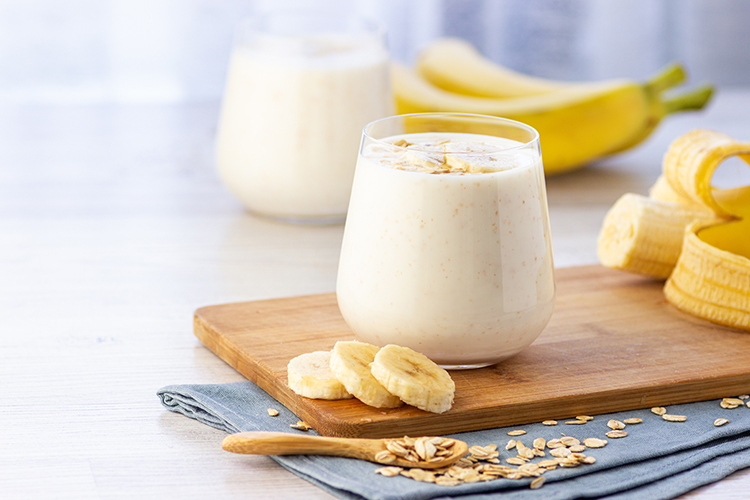
Tryptophan, an essential amino acid, plays a key role in serotonin synthesis and mood regulation. A tryptophan deficiency can lead to increased anxiety, sleep disturbances, and even headaches. Tryptophan-rich foods include fermented dairy products, legumes, bananas, peanuts, turkey, and certain nuts.
When there is a pronounced deficiency of tryptophan or in severe cases of depression, experts sometimes recommend dietary supplements. However, it is crucial to choose high-quality products from trusted manufacturers and consult a doctor in advance. Incorrect supplement selection may not only be ineffective but could worsen the problem due to side effects or questionable ingredients.
Depression affects millions of people around the world, and no one is immune to life circumstances that may trigger such conditions. However, modern medicine and psychotherapy offer many effective treatment methods — and often, non-drug approaches prove to be gentler and safer than strong medications.
Cognitive Behavioral Therapy, physical activity, massage, yoga, acupuncture, herbal medicine, light therapy, B vitamins, and the amino acid tryptophan — all of these are potential allies in the fight against depression. When used wisely and with consideration of individual characteristics, they can help not only relieve symptoms but also prevent relapses. If the condition worsens or lasts too long, it is important to seek professional help in time, as a comprehensive approach (sometimes involving medication) often enables full emotional recovery and a return to a fulfilling life.