Українська
  Русский
  Polski
  Deutsch
  Français
  Español
  Nederlands
  Svenska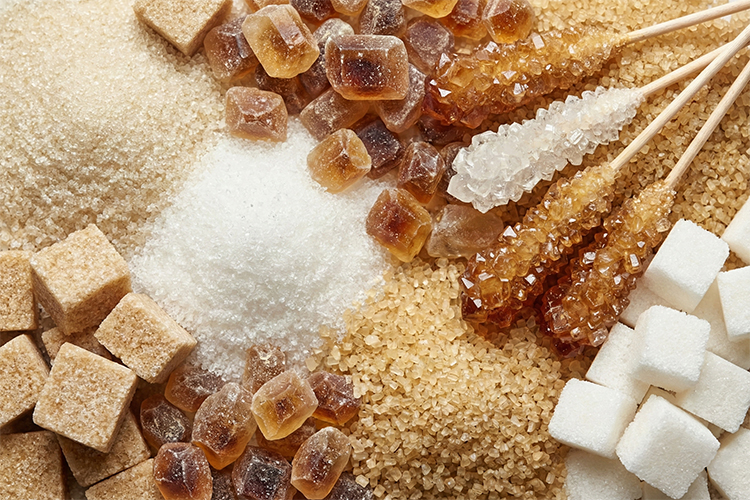
© Factum-Info
Many of us love the crispy golden crust on fresh bread or a seared steak. In cooking, this process is called the Maillard reaction: when heated, sugars chemically bond with proteins, creating that appetizing aroma and color. However, few realize that something similar happens inside our bodies.
This process is called glycation, and scientists increasingly identify it as one of the main causes of aging and chronic disease development. Essentially, due to excess sugar and improper cooking methods, our tissues undergo slow “baking,” which gradually destroys us from the inside.
In this article, we will analyze in detail exactly how excess sugar turns elastic proteins into “brittle plastic” and why this process is considered the foundation of aging. You will learn about the two main sources of this problem and get a practical plan, how to protect your body without giving up delicious food.
How We Turn Into “Caramel”
Glycation is when excess sugar in our blood decides to “befriend” proteins without the permission of enzymes. It is an uncontrolled reaction: a glucose or fructose molecule sticks firmly to a protein, changing its structure. Imagine spilling sticky syrup on the parts of a complex Swiss mechanism. At first, it just gets in the way, but over time it hardens, turning into a rigid crust.
In medicine, this “hardened syrup” is called advanced glycation end-products, or by the short and catchy acronym AGEs. The irony is that the acronym literally spells the word “age,” which is very accurate: the more of these substances we have, the faster we age.
Two Sources of the Problem: “Sugar Spikes” and “Golden Crust”
It is important to understand that dangerous compounds do not come from just one place. We get them through two different channels.
1. Internal Source: Frequent and High Blood Sugar Spikes
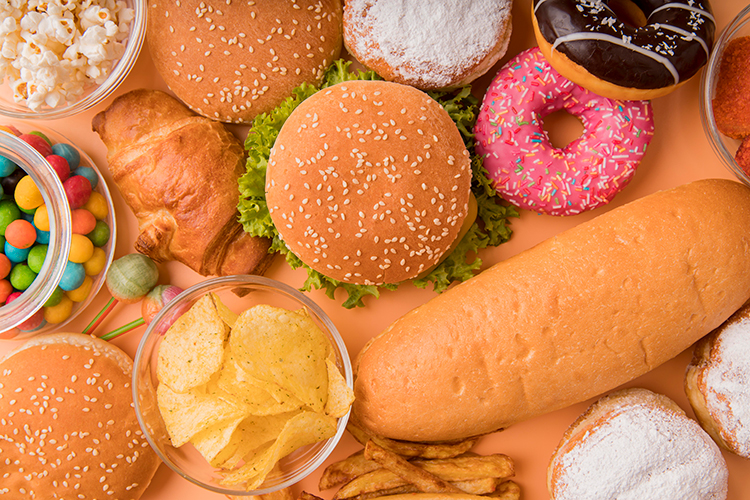
The higher and sharper the glucose spike after a meal, the more “chances” sugar has to react with proteins. Therefore, fast carbohydrates (sugary drinks, pastries, candy, white flour, and other refined products) are a common cause of increased glycation load.
2. External Source: AGEs From Food Formed During High Heat
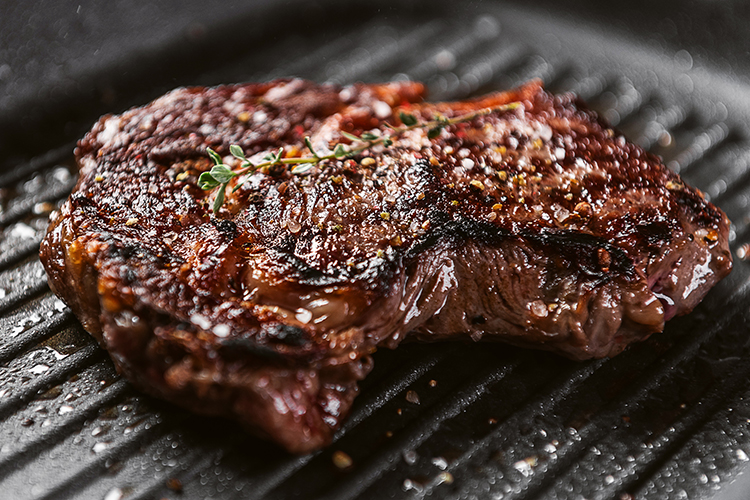
A significant portion of advanced glycation end-products enters us ready-made straight from the plate. Foods subjected to aggressive thermal processing (high temperature, dry heat, prolonged browning, or charring) contain dozens of times more of them than raw foods or those cooked using gentle methods.
Where Will This Strike?
The longest-living proteins in our body take the hit—collagen and elastin. They are responsible for keeping skin firm and blood vessels flexible.
When collagen gets “candied,” it loses the ability to stretch and recover. We see the result in the mirror: skin becomes sagging, yellowish, and covered with wrinkles. But what happens inside is much more dangerous. Vessels become brittle and stiff, like old garden hoses in the frost. This is a direct path to high blood pressure, atherosclerosis, and heart problems.
Moreover, AGEs work as an “alarm signal” for the immune system. They activate special RAGE receptors, which trigger a chronic inflammation mode in the body. This is a “smoldering fire” that destroys kidneys, vision, and even nerve cells over the years.
Kitchen Secrets: The 120-Degree Rule
The good news is that we can significantly reduce this load simply by changing tactics in the kitchen. A large amount of those very AGEs enters us with food. Anything fried to a dark, crispy crust is literally stuffed with glycation products.
Scientists have found a sort of “point of no return”—this is 120 degrees Celsius. Above this temperature, especially with dry heat (frying in a pan or grilling), harmful compounds begin to form at tremendous speed.
So what now, eat everything raw? Not at all. The “friendliest” methods are those involving moisture: boiling, stewing, steaming, or simmering at low temperatures. If you really want to roast meat, use marinades with lemon juice or vinegar. Acid acts as a shield, slowing down the protein “candying” reaction by almost half.
Paradoxes of Honey and Milk
In healthy eating matters, misconceptions regarding honey and milk are common. There is an opinion that honey is an ideal substitute for sugar, but from a chemistry perspective, this is not entirely true. Honey contains a lot of fructose, which enters into glycation reactions 8–10 times more actively than regular glucose. The same applies to milk sugar (lactose): in the metabolic process, it can contribute to the formation of aging products.
Does this mean you need to completely exclude these products? Not at all. Natural honey contains over 200 beneficial compounds and antioxidants that can protect proteins from damage. Milk helps the body produce glutathione—our brain’s main defender.
The right solution would be to observe moderation: treat honey as an exquisite delicacy (no more than a spoonful a day), and instead of whole milk, choose fermented milk products where lactose has already been partially processed by bacteria.
How to Know if Sugar Is Generally Under Control: HbA1c Analysis
There is an indicator often used as a “snapshot in dynamics”—glycated hemoglobin (HbA1c). It reflects the average glucose level over roughly the last 2–3 months.
To diagnose carbohydrate metabolism disorders, the following thresholds are often used as a guide: around 5% is an ideal indicator, around 5.7% is the prediabetes zone, and around 6.5% is the diagnostic level for diabetes (in combination with other data).
But the number itself is not as important as the idea: the more stable the sugar, the fewer conditions for accelerated glycation.
If there are symptoms, hereditary risk, or already known disorders, it is better to discuss the interpretation of HbA1c with a doctor.
Your Strategy: How to Reduce Glycation in Real Life
Fighting glycation does not mean restricting yourself in everything. It means helping your body use energy more effectively and get rid of cellular waste in a timely manner.
- Eliminate or reduce liquid sugar. Sweet drinks and juices are the fastest glycation accelerators. They cause a sharp glucose spike that the body struggles to neutralize without consequences for proteins.
- Add fiber. Vegetables, legumes, whole grains, and nuts slow down sugar absorption, making its intake smooth and safe.
- Move regularly. Physical activity helps muscles “burn” excess glucose, preventing it from settling on your vessels.
- Defender spices. Cinnamon and turmeric are not just about taste. Cinnamon helps cells absorb sugar better, not giving it extra time to hang around in the blood and “stick” to proteins. And turmeric blocks the formation of the most dangerous glycation products and soothes inflammation. Let them become frequent guests in your dishes.
- Cellular cleaning. Vegetable fasting days or short pauses in eating (2–4 times a month) activate the mechanism of autophagy—a process in which cells recycle accumulated waste, including sugar-damaged proteins.
Investment in a Clear Future
Glycation is natural chemistry, but you are the one who determines its speed. We cannot completely give up carbohydrates, as they are necessary for brain and muscle function. But it is in your power to ensure that sugar brings energy rather than turning tissues into brittle plastic.
By choosing “slow” carbohydrates, using gentle cooking methods, and maintaining activity, you give your body a chance to stay young much longer. Healthy eating is not just about appearance; it is about the purity of your internal structures. By controlling sugar today, you invest in a clear mind, a strong heart, and vigorous well-being for decades to come.