Українська
  Русский
  Polski
  Deutsch
  Français
  Español
  Nederlands
  Svenska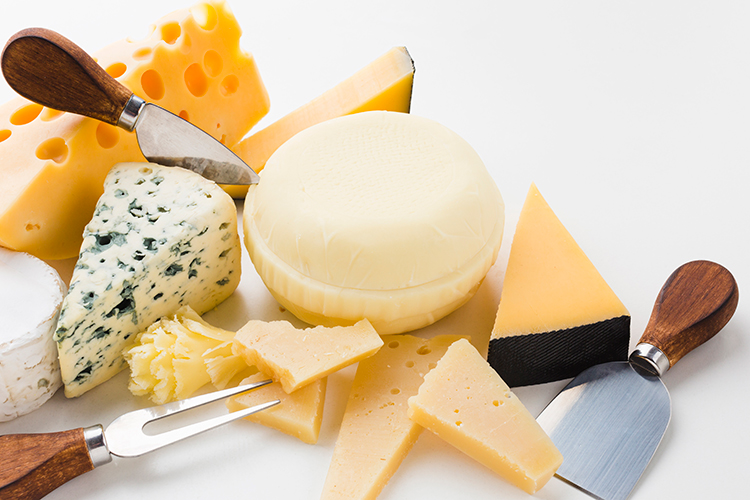
Cheese is a product made from milk using starter cultures and/or rennet, followed by aging. It is made from the milk of cows, goats, sheep, and buffalo; less commonly from the milk of other animals (for example, mares).
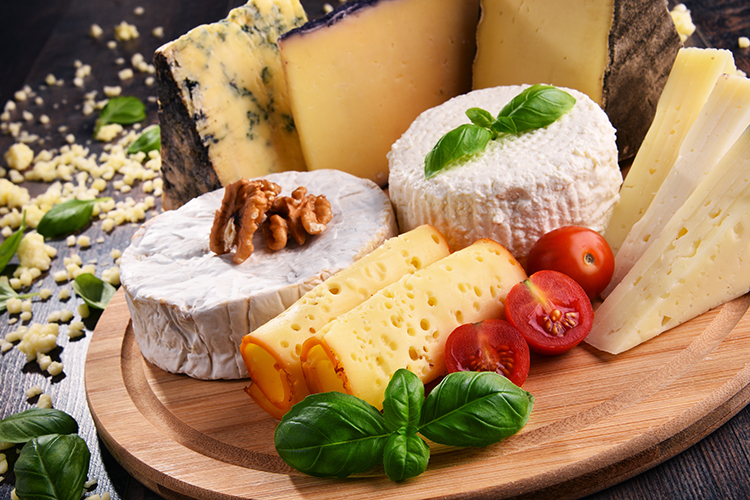
The color of most natural cheeses ranges from white to light yellow: the shade depends on the animals’ feed (carotenoids) or the addition of the natural coloring annatto. In soft cheeses with a white rind, white mold is “at work”; in blue cheeses — blue-green mold (Penicillium roqueforti), and the reddish-orange tint of washed rinds is given by bacteria, such as Brevibacterium linens.
Hundreds of types of cheese are produced worldwide. Flavor and texture are influenced by: type and quality of milk, whether it is pasteurized, fat content, the cultures of microorganisms and molds used, processing technology, and aging time/conditions. Herbs, spices, or wood smoke are sometimes used for flavor.
Brief history
Cheese is one of the oldest foods. It was made even before the advent of writing. The earliest direct archaeological evidence dates back to around 5500 BC (perforated pottery with traces of milk fat).
Exactly where cheesemaking originated is unknown: possible locations include Europe, Central Asia, the Middle East, or the Sahara region. Sometimes an earlier estimate (around 8000 BC) is mentioned — it is linked to the domestication of sheep, but this is a hypothesis, not a confirmed date.
Nutritional value and health effects
Cheese is one of the most high-calorie foods. Cheeses have a high content of protein (up to 25%), milk fat (up to 60%), and minerals (up to 3.5%, excluding table salt).
Cheese proteins are better absorbed by the body than milk proteins. The extractive substances in cheese have a beneficial effect on the digestive glands and stimulate appetite. The nutrients in cheese are absorbed by the body almost completely (98–99%).
Cheese contains vitamins A, D, E, B1, B2, B12, PP, C, pantothenic acid, and others. Depending on fat and protein content, cheese’s energy value varies significantly. Cheese is essentially a milk concentrate: proteins, fats, and minerals are present in roughly the same proportions, with a high content of calcium and phosphorus, which are in an optimally balanced ratio.
This product is essential in the diet of children, teenagers, pregnant women, and people who expend a lot of energy during the day.
Hard cheeses also help maintain dental health. This product prevents bacteria living in the mouth from producing acid that damages tooth enamel.
About cheese production
Milk and fat content
Different types of cheese are made from pasteurized or raw milk from cows, goats, sheep, buffalo, or mares. The fat content of cheese can be less than 10% or more than 70% in dry matter. By fat content, cheeses are classified as fat-free, light, regular, double, and triple cream.
Starters and enzymes
There are two ways to coagulate milk: rennet (chymosin) or lactic acid fermentation/acidification. Traditionally, rennet was obtained from the stomachs of dairy calves.
Today, recombinant chymosin is widely used: the enzyme gene is “inserted” into production cultures (bacteria, yeast, or fungi) that synthesize an identical enzyme; the GMO organisms themselves are removed, so the cheese contains no GMO ingredients.
Name and origin protection
Very often the name of a cheese indicates the place where it was first made. Sometimes a cheese is named after the person who invented its production method. The name can also reflect a characteristic feature — the shape of the wheel or its texture.
Some types of cheese are registered to control authenticity of origin. The certificate guarantees that the cheese is produced in a strictly defined area following strictly defined rules:
- In France, such a certificate is called Appellation d’origine contrôlée (AOC);
- In English-speaking countries — Protected Designation of Origin (PDO) or Protected Geographical Indication (PGI);
- In Italy — Denominazione di Origine Protetta (DOP);
- In Spain — Denominación de origen (DO)
Next to the designation of a cheese’s protected status, the year of registration is indicated.
Safety: pasteurization, rules, and special groups
- In the USA, the rule is: cheeses made from raw milk may be sold only after being aged for at least 60 days; this regulation was introduced in 1949 (applied to imports starting in 1951).
- Australia maintained strict restrictions on raw milk cheeses for many years, making exceptions for certain traditional varieties (such as Gruyère, Emmentaler, Sbrinz, Roquefort) under strict conditions.
Why does the debate continue? Pasteurization reduces microbiological risks but can alter flavor and “remove” part of the complex microflora — connoisseurs often prefer raw milk cheeses. At the same time, pasteurization does not eliminate risk entirely: recontamination is possible after heat treatment during aging and packaging stages.
Pregnant women are advised to avoid soft and blue cheeses made from raw milk due to the risk of listeriosis. Options made from pasteurized milk with reliable processing/heating and strict control are acceptable.
Production process
Each type of cheese is made using its own technology. The general principle of cheesemaking is usually the same:
- prepare the milk;
- use rennet;
- collect the curd, strain it, stir, and heat it;
- salt and age the cheese.
Some cheeses are inoculated with mold or bacteria.
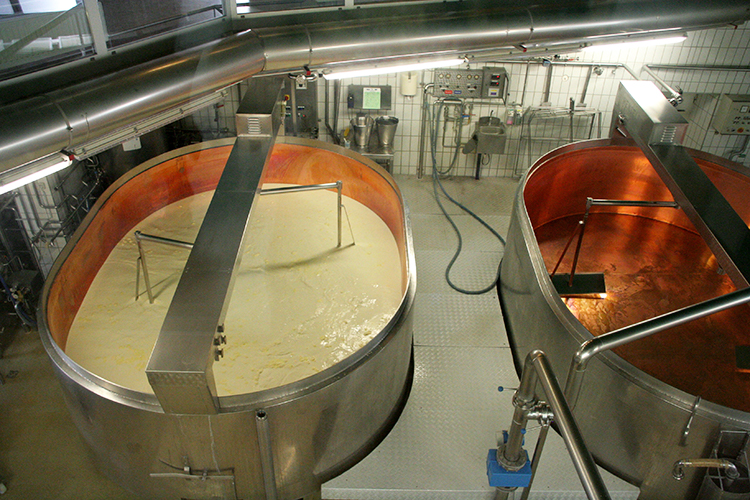
Cheese production | wikimedia.org
Classification of cheeses
There are many types of cheese in the world. The International Dairy Federation officially recognizes about 500 different varieties.
- By appearance, cheeses are divided into fresh, soft with a delicate rind (with white mold), soft with a washed rind, blue cheeses, pressed and cooked-pressed. Other types include whey-albumin, albumin, processed, and those falling into multiple categories. Rare types include German sour milk cheese and Norwegian brown cheese (brunost).
- By production technology, cheeses are classified as hard, soft, brined, and processed.
Depending on raw materials and production methods, cheeses are divided into 5 main types, which we will now review.
1. Rennet cheeses
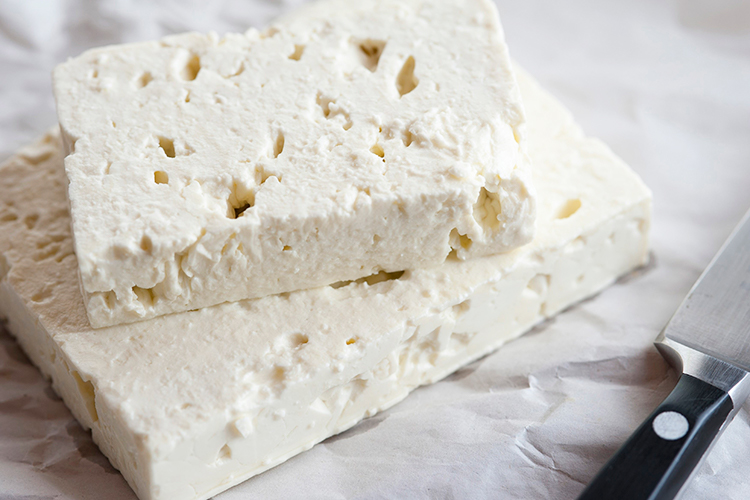
Feta cheese made from goat’s milk | freefoodphotos.com
Rennet (chymosin) is a digestive enzyme of animal origin obtained from the stomachs of calves (after slaughter). The age of such calves is usually no more than 10 days. Rennet is used for milk coagulation and cheese production.
With the development of genetic engineering, it became possible to extract from animals the genes responsible for producing chymosin and insert them into certain bacteria, fungi, or yeast so that they produce chymosin during fermentation. The genetically modified microorganisms cease to exist after fermentation, and chymosin is extracted from the culture fluid; for this reason, the cheese does not contain any GMO component or ingredient.
Products based on recombinant chymosin have been on the market since 1990. Over the next 30 years, they came to be regarded as ideal enzymes for milk coagulation. For example, by 1999, about 60% of hard cheeses in the USA and up to 80% worldwide were made using recombinant chymosin.
Depending on the production method, rennet cheeses can be hard, soft, or brined.
- By hardness, cheeses are divided into fresh, semi-hard sliced, hard sliced, and extra-hard.
- Soft cheeses are usually soft, fatty, and covered with a light rind of white mold. The curd mass is pale yellow. After milk is coagulated with rennet, it is pressed, dried, salted, and treated with a mold solution. Over time, during aging, a white rind forms on the surface of the cheese, which is essentially a colony of Penicillium camemberti. This process lasts from 2 to 6 weeks.
- The main difference in brined cheeses is that they mature and are stored in brine, have no rind, small irregular eyes (holes), a crumbly texture, a fat content of 40–45%, and salt content of 7% (Ossetian cheese, sulguni, bryndza, etc.). Brined cheeses are divided into soft and hard. In Europe, brined cheeses similar to traditional Greek feta are very popular; their fat content can exceed 50%. Unlike the classic recipe, they are made from cow’s milk. However, producers outside Greece, which has reserved the trademark for itself, strive to give their products names similar to the Greek one (fetaki, fetaxa, sirtaki, etc.).
2. Fermented milk cheeses
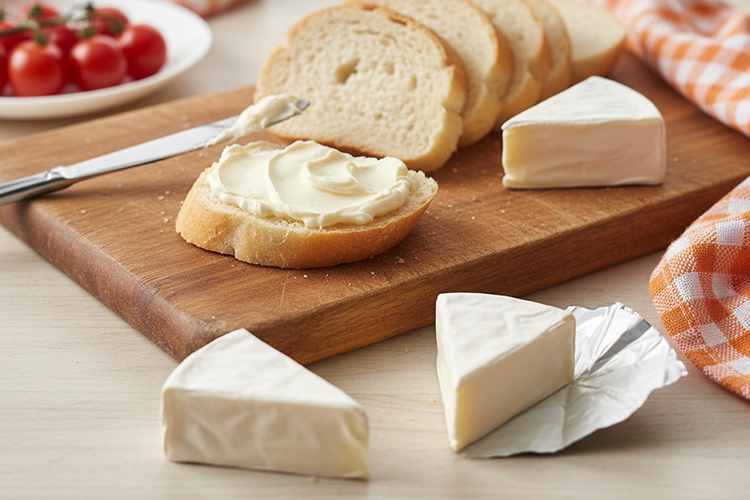
Processed cheese | © Factum-Info
Natural fermented milk cheeses are made from skimmed milk fermented with a lactic starter. After aging (1–1.5 months), they are mixed with salt and spices. The curd mass is dried and shaped. Such cheese has no eye formation. The most common type is fermented milk green grating cheese.
Cheeses are divided into grating (green cheese), curd, and non-maturing curd types.
Processed cheeses are made by melting rennet fermented milk natural cheeses with the addition of cottage cheese, sour cream, milk, butter, spices, and fillers (cocoa powder, coffee, vanillin, etc.).
Processed cheeses can be sweet, spreadable, sausage-shaped, canned, with mushrooms, with onions, and elite, very expensive varieties with salmon or walnuts.
Being a secondary processed product, processed cheeses packed in foil or sealed packaging have a longer shelf life and are less sensitive to temperature fluctuations. This makes it possible to extend the selling season of processed cheeses and expand their distribution area.
3. Whey cheeses
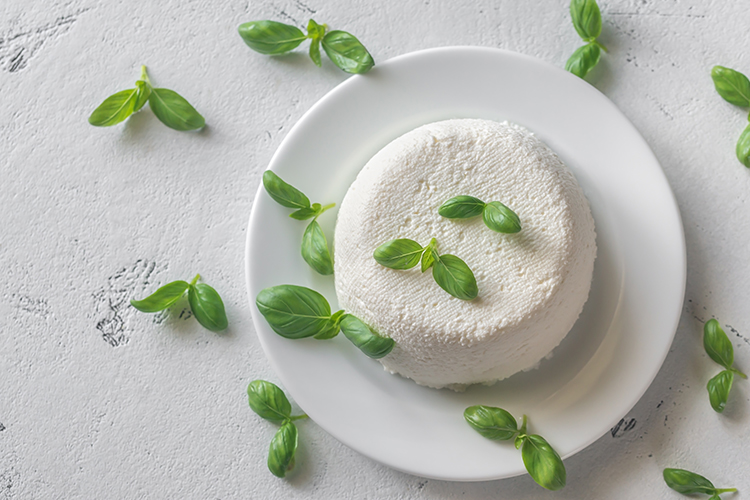
Traditional Italian ricotta cheese | stock.adobe.com
Whey cheese is made from whey, a byproduct of cheesemaking. After producing most cheeses, about 50% of nutrients remain in the whey, including most lactose and lactalbumin. Producing whey cheese allows efficient use of whey instead of discarding it.
Whey cheeses are usually soft, with a delicate flavor and lower fat content. They can be spread on bread or used in cooking. Some types of whey cheeses are capable of maturing.
Whey cheese is made everywhere. The most common and well-known worldwide are smoked Italian ricotta, French brousse and brocciu, Adyghe cheese, and Norwegian brunost.
Whey cheeses also include Turkish lor peyniri, Norwegian mysost and mesost, Swiss hard Schabziger cheese, and brunost.
4. Using mold from the genus Penicillium
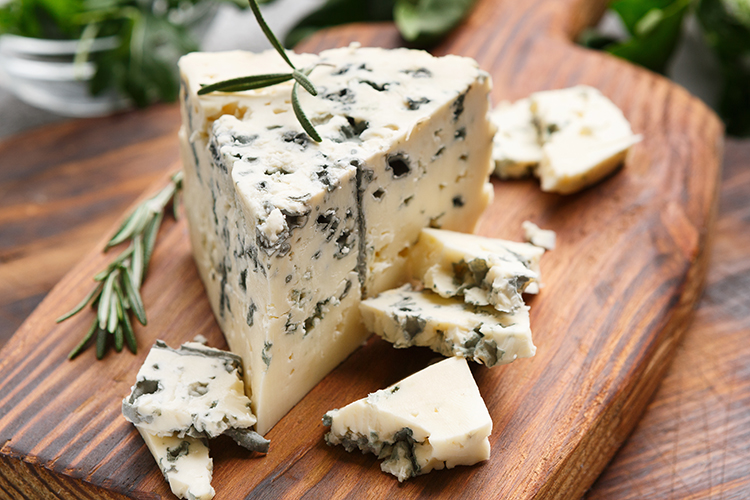
Blue cheese | stock.adobe.com
Some cheeses are made using edible molds from the genus Penicillium. Such cheeses may be covered with a moldy rind, like brie, hermelin, and camembert, or may be veined throughout with blue-green mold (so-called blue cheeses), such as Roquefort and Gorgonzola.
There is a legend about the origin of moldy cheese, telling how once, through carelessness, a shepherd forgot a piece of cheese in a cave. When he returned for it, he found it completely covered in mold. The shepherd tasted the cheese and was amazed by its unusual flavor. This is how the production of moldy cheeses began.
5. Smoked cheeses
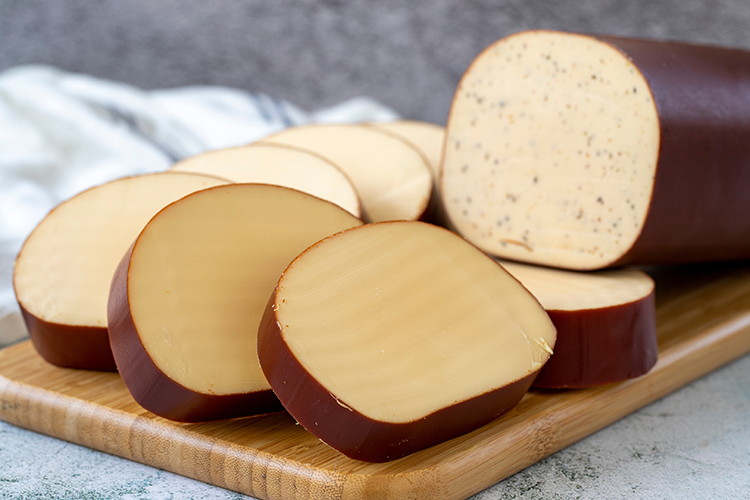
Dutch smoked cheese | stock.adobe.com
Some cheeses are smoked after production to give them a distinctive flavor and aroma and to improve their resistance to spoilage during storage. These cheeses are recognizable by their amber hue and smoky notes. Examples: smoked sulguni, “sausage” processed cheese, Italian scamorza affumicata.
Cheese production and consumption worldwide
- Production: The largest cheese producer is the USA, about 30% of global production, followed by Germany and France.
- Export: France is the largest cheese exporter by value; by weight — Germany. Some countries focus their cheese industry on exports: Ireland ~95%, New Zealand ~90%, the Netherlands ~72%, Australia ~65% of production is exported.
- Import: Germany is the largest cheese importer, followed by the UK and Italy.
- Per capita consumption: Greece and France (~24–26 kg/person per year) top the list, followed by Iceland, Finland, Germany, Italy (~20–24 kg/person). In the USA, cheese consumption has risen sharply in recent decades. Mozzarella is America’s favorite cheese, mainly because it is a key ingredient in pizza.
Practical tips for choosing and consuming cheese
- How to choose. Look for a clean aroma of milk/cream/nuts (for hard cheeses), mushroom notes (for white mold), a tangy “cave” note (for blue cheeses). A strong ammonia smell in soft cheese is a sign of over-ripening. For brined cheeses, look for firmness without crumbliness and moderate saltiness.
- How to store. The best way to store cheese is in paper or parchment wrappers, in special containers. Avoid sealing it tightly (except for processed cheeses), as cheese continues to “breathe.”
- How to serve. Take cheese out of the refrigerator 20–30 minutes before serving — its flavor and aroma are better revealed at room temperature.
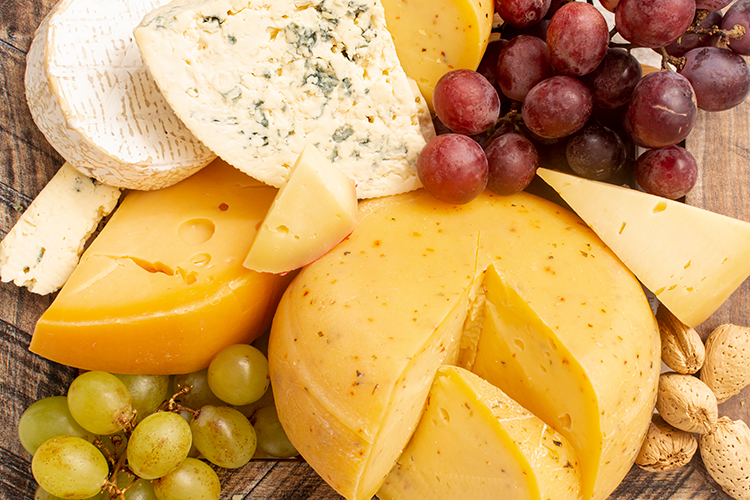
- Pairings. Cheese pairs wonderfully with fruits (grapes, pears), nuts, fresh bread, and wine. Soft delicate cheeses are often paired with white or sparkling wine, while spicy and hard cheeses go with red wine.
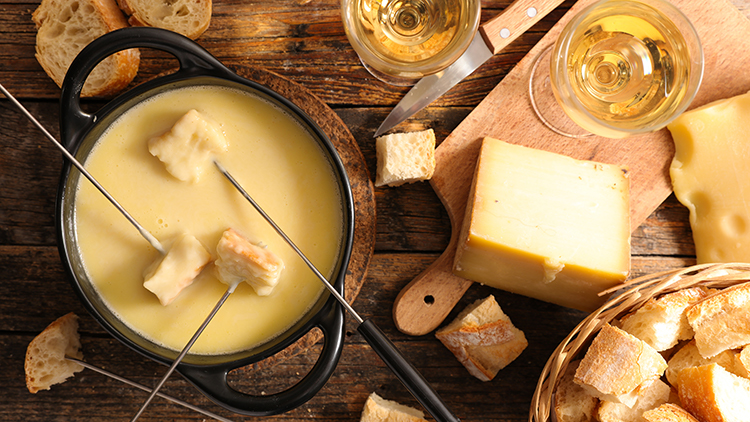
- Where to use. Mozzarella and cheddar are suitable for baking; blue cheeses for sauces; ricotta for desserts (for example, in cheesecakes and creams). For fondue, Swiss cheeses such as Gruyère and Emmental are traditionally used.
Cheese is a product that has come a long way from ancient forms of cheesemaking to modern technologies involving recombinant enzymes and strict quality standards. Its unique flavor and nutritional properties are valued by people of all ages and cultures.
Cheese is versatile in cooking: suitable for a simple breakfast, a gourmet restaurant dish, or festive appetizers. The variety of types, from delicate curd cheeses to rich blue cheeses, offers unlimited opportunities for culinary experiments.
Cheese production requires great effort and expertise: quality control of milk, selection of starter cultures, proper aging, and adherence to sanitary standards. But the result is worth it.
Cheese remains one of the most beloved and in-demand products in the world — tasty, satisfying, and incredibly diverse, capable of satisfying a wide range of tastes and preferences.