Українська
  Русский
  Polski
  Deutsch
  Français
  Español
  Nederlands
  Svenska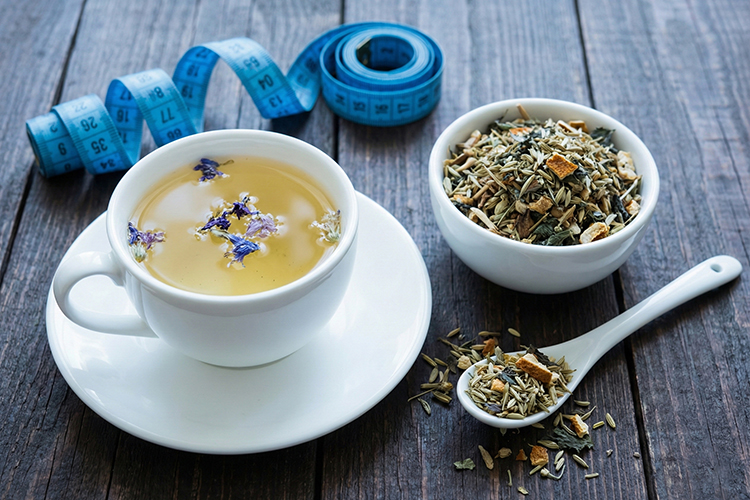
© Factum-Info
Weight-loss tea is an herbal drink that manufacturers often advertise as an easy way to shed extra pounds. Packaging of such blends usually promises to remove “toxins” from the body, speed up metabolism, block fat absorption, and reduce appetite.
But how accurate are these claims? Let’s look at what science says about such herbal slimming teas, how they really work, and why real green tea is considered a safer aid in weight control.
Manufacturers’ Promises and Actual Effectiveness
Makers of “slimming” teas claim their blends can suppress hunger, “burn fat” by boosting metabolism, prevent fat absorption, and even cleanse the body of toxins.
In practice, there is little scientific evidence to support these promises. Studies do not confirm that specially marketed weight-loss teas are more effective than regular tea or other drinks.
In some cases, companies have been held legally liable for selling such teas with weight-loss promises lacking reliable scientific backing. Moreover, the U.S. Food and Drug Administration (FDA) does not officially recognize any “weight-loss tea” as an effective weight-reduction product.
It’s important to understand that many of these products can hardly be called tea in the classical sense. Real tea (black, green, oolong, etc.) is made from the leaves of the Camellia sinensis plant. In “herbal slimming teas,” the base is usually a mix of herbs — for example, senna, lotus, mint, dandelion, berries, and other additives. Often such blends contain no tea leaves at all, even though the label still says “tea.”
Essentially, these are herbal infusions with laxative or diuretic effects. People sometimes ironically call them “diarrhea tea,” and not without reason — as will become clear below.
Dangers and Side Effects of “Slimming” Teas
Laxative Effect
The main “secret” of most weight-loss teas is their pronounced laxative and diuretic effect. A common ingredient in such blends is senna, a natural laxative. Thanks to senna and similar components, the drink stimulates the intestines and speeds up the passage of food through the stomach.
As a result, a person may indeed see a smaller number on the scale, but not due to fat burning. It’s simply the loss of intestinal contents and fluids. Experts note that the weight reduction is mainly due to water loss, not the disappearance of fat reserves. In other words, after a couple of days of drinking such teas, the body becomes dehydrated, the intestines are emptied — and that’s minus 1–2 kilograms.
However, this is only a temporary effect: the lost water is quickly replenished once you return to a normal diet and hydration. Thus, slimming with herbal teas is an illusion caused by dehydration.
The laxative component also carries other risks. Excessive use of senna can cause painful abdominal cramps, nausea, frequent diarrhea, dizziness, and in severe cases, electrolyte imbalance and even intestinal bleeding. With regular use, the intestines adapt to the stimulants and stop working normally on their own — a laxative dependency develops. This can lead to chronic constipation: once you stop the tea, bowel movements may become difficult without it.
Diuretic Effect
In addition to the laxative effect, many such blends act as a diuretic. The body loses fluids intensively, again creating the illusion of weight loss — the scale may show a 2–3 kg drop in just a few days due to water loss.
But along with water, the body loses valuable mineral salts: sodium, potassium, calcium, and others. Their imbalance can disrupt the function of the heart and muscles. Rapid dehydration is accompanied by weakness, muscle cramps, and may even lead to fainting.
Medical records include cases where excessive use of diet teas caused severe dehydration and required hospitalization. For example, the FDA reported several fatal cases linked to overuse of laxative teas — such serious can be the consequences of uncontrolled consumption.
Of course, with moderate use the likelihood of such extreme complications is low, but the very principle of “losing weight through diuretics and laxatives” is inherently unhealthy.
Other Side Effects
It’s also worth addressing the claims of “cleansing the body of toxins.” Neither senna nor other herbs typically included in “detox teas” have magical properties for eliminating mythical toxins. Our body already detoxifies itself daily through the liver, kidneys, and intestines. However, the side effect of avitaminosis is quite real: due to constant diarrhea and the diuretic effect, nutrients and vitamins may not be absorbed properly, which over time can lead to depletion.
In fact, general weakness and exhaustion are inevitable companions of abusing such weight-loss methods. The body receives few calories, loses a lot of fluids and micronutrients, and in response switches into “alarm mode.” Metabolism slows down, and hormonal energy-saving mechanisms kick in.
As soon as a person stops drinking these teas and returns to a normal diet, the exhausted body tries to recover the losses — weight quickly returns to its original level. Often, so-called “slimming with herbal teas” turns into a yo-yo effect: the lost kilograms come back, sometimes with extra, and health worsens during the experiment.
How to Lose Weight Properly
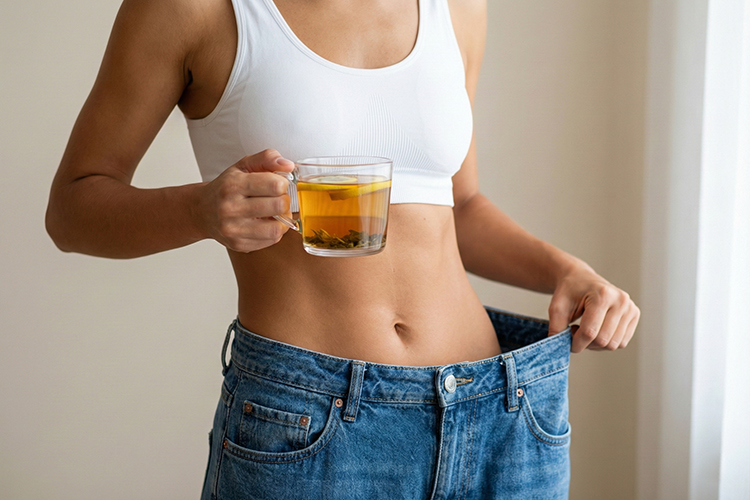
Remember: healthy weight loss is never too fast. Doctors recommend losing weight gradually — about 0.5–1 kg per week, no more. Losing 5 kg in a week, as promised by aggressive advertising slogans, is abnormal and unsafe for most people.
At such a rapid pace you lose mostly water and muscle tissue, not fat, and you also risk developing problems with the gallbladder, digestion, and metabolism.
That’s why doctors unanimously advise avoiding extreme weight-loss methods such as laxative teas and sticking to a more balanced approach.
© Factum-Info
Green Tea: A Safe Aid in Weight Loss
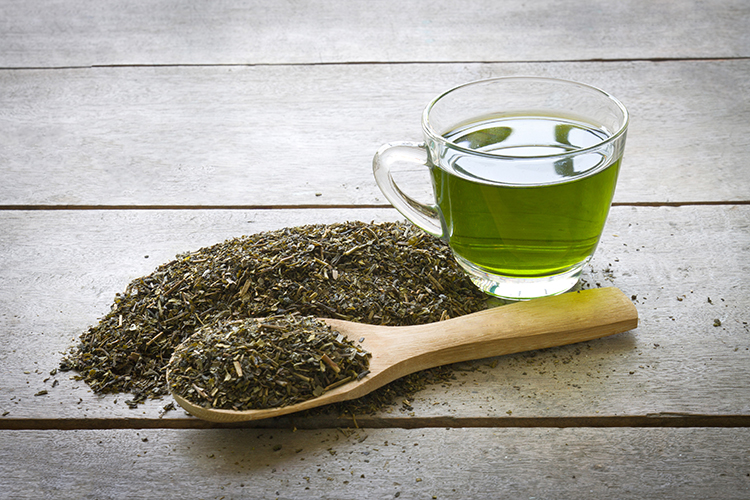
If we talk about tea that can actually help a little in fighting excess weight, it’s the most ordinary green tea. Unlike the herbal blends above, green tea is made from tea leaves and is not a laxative or a diuretic (except for the mild natural diuretic effect typical of any tea or coffee).
So why is green tea mentioned in the context of weight loss? The reason is its chemical composition. Green tea leaves are rich in catechins — antioxidant polyphenols, the most important of which is epigallocatechin gallate. In addition, tea contains caffeine. Both catechins and caffeine, according to research, can moderately influence metabolism and fat breakdown.
The effect of green tea is moderate: it doesn’t “burn” fat on its own, but it can be a useful addition to your diet and help replace high-calorie drinks with a nearly calorie-free one.
Tips: How to Lose Weight with Green Tea Without Much Effort
Let’s move from theory to practice. How can you use green tea to your advantage in weight loss? Here are some recommendations.
- Drink 3–4 cups of green tea a day. This level of consumption provides enough catechins and caffeine while staying far from dangerous levels. Remember that one cup of green tea contains about 30–50 mg of caffeine, meaning three cups equal roughly one small mug of coffee in stimulant effect. Such a dose is generally safe for a healthy adult.
- The best time is about 30 minutes before meals. Drinking green tea shortly before eating may slightly reduce your appetite and help you eat less than usual. Studies indicate that green tea before lunch decreases subsequent calorie intake. The key is to drink it unsweetened, without sugar or honey, otherwise the added calories cancel out its benefit as a diet drink.
- Don’t rely on tea alone — add movement. Green tea works best in combination with physical activity. It can slightly boost endurance and increase the amount of fat burned during exercise. So it’s wise to combine tea drinking with sports: have a cup an hour before a workout or a walk.
- Don’t turn tea into your only “meal.” Sometimes people chasing quick weight loss stop eating and drink only green tea hoping to slim down faster. This is a dangerous misconception! A mono-diet of just tea will lead only to sharp exhaustion, nutrient deficiencies, and possibly serious health problems. You must never starve on tea alone — the body needs proper food: proteins, healthy fats, carbohydrates, and vitamins.
- Consider individual sensitivities. If you have problems tolerating caffeine (insomnia, anxiety, tachycardia), be careful with green tea. Although it contains less caffeine than coffee, several cups may still cause unpleasant symptoms in sensitive people. In such cases, limit yourself to 1–2 cups in the first half of the day and avoid drinking it in the evening to prevent sleep disruption.
Final Conclusions
- “Weight-loss teas” are no miracle: Their advertised effects are not scientifically proven. The main effects are laxative and diuretic, meaning water loss and temporary weight reduction that is quickly regained. Overuse of such products is unsafe and may lead to dehydration, electrolyte imbalance, and other problems.
- Green tea is no cure-all, but it’s useful: It contains catechins and caffeine, which moderately help burn fat and calories. Compared with herbal slimming blends, green tea gently energizes the body without strong side effects. It has almost no calories and fits well into a healthy diet.
- Weight loss must be comprehensive: No drink alone can replace proper nutrition and physical activity. Consider green tea as a supportive aid — it can slightly accelerate your progress if you’re already following a balanced diet and staying active.
Instead of looking for an easy way out with questionable herbal teas, it’s better to stick to a proven approach — reasonable nutrition, an active lifestyle, and healthy habits. And a cup or two of natural green tea a day will support you on this path, making weight loss a bit more comfortable and enjoyable.
Remember that caring for your health is always more important than quick results, and then the extra weight will go away properly — without risk and with benefits for your body.