Українська
  Русский
  Polski
  Deutsch
  Français
  Español
  Nederlands
  Svenska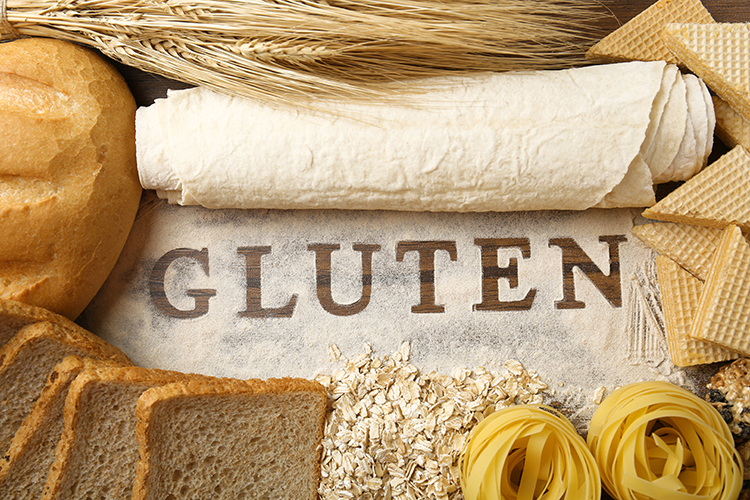
Gluten is a complex protein found in several grains, primarily wheat, rye, and barley. It is gluten that gives dough elasticity and helps baked goods keep their shape. For the overwhelming majority of people, foods containing gluten are completely safe and even beneficial — they are rich in fiber, B vitamins, and are an important source of carbohydrates for energy.
Nevertheless, in recent years gluten has gained a bad reputation. In some countries, such as the USA, about a quarter of the population limit gluten consumption to some extent, believing that a gluten-free diet is healthier. Numerous popular diets and books have appeared, claiming that giving up gluten solves various health problems. As a result, many myths have arisen around gluten.
At the same time, doctors know well that gluten poses a serious danger only for a relatively small number of people. This refers to celiac disease — a congenital (hereditary) intolerance to gluten.
Celiac disease is an autoimmune disorder: when gluten is consumed, the immune system attacks the body’s own intestinal cells. This leads to chronic inflammation and damage to the lining of the small intestine, impairing nutrient absorption. Symptoms of celiac disease may include abdominal pain, diarrhea, bloating, chronic fatigue, anemia, and other issues. The only effective treatment is a lifelong strict gluten-free diet, under which the intestines gradually recover.
There is also a condition called non-celiac gluten sensitivity: about 5–6% of people experience unpleasant symptoms (bloating, discomfort) when consuming gluten, although they do not have celiac disease. The causes of this condition are not fully understood, but it is also relatively uncommon.
Thus, more than 90% of people have no problems digesting gluten. Nevertheless, rumors about the “dangers” of gluten have spread widely. Let’s look at the most popular myths about gluten and find out what scientific data actually say.
Myth 1: Gluten Intolerance Is Very Common
In fact, true gluten intolerance (celiac disease) is quite rare. According to estimates, about 1% of the world’s population suffers from celiac disease. Even if we include mild and undiagnosed cases, the vast majority — about 99% of people — tolerate gluten normally. By comparison, lactose intolerance (milk sugar) is much more common: for example, about 20% of adults in Europe cannot drink whole milk, and in East Asia more than 90% of people are lactose intolerant. In other words, problems with milk occur dozens of times more often than problems with gluten.
Why then does it seem that “gluten is harmful to everyone”? This is partly due to increased diagnosis of celiac disease. Previously, this condition was considered extremely rare, but modern tests show that it affects about 1 in 100 people — many cases simply have mild symptoms and remain unrecognized for a long time.
In addition, the popularity of gluten-free diets has created a “self-diagnosis” effect: people started attributing various ailments to gluten without medical confirmation. As a result, a false impression arises that gluten intolerance is widespread. However, scientific data disprove this: about 99 out of 100 people can eat gluten without any harm to their health.
It is important to note: celiac disease is a genetically determined disorder. It is impossible to “eat too much” gluten and thus acquire celiac disease. A person either has a genetic predisposition or not. Genes are a necessary condition for the disease to develop.
In carriers of predisposing genes, celiac disease may appear at some point in life (for example, in childhood after the introduction of complementary foods or later under the influence of stress, infections, and other triggers), but in people without these genetic features, celiac disease will never develop.
Therefore, claims that an unhealthy diet with an excess of bread and pastries can cause gluten intolerance are unfounded. Celiac disease is not contagious and is not acquired during life — it is inherited through genes.
Myth 2: Gluten Foods Cause Bloating
This refers to the common belief that gluten causes flatulence and intestinal bloating. Many people have noticed: if they eat fresh bread or a pastry, their stomach starts rumbling and gas forms. Since bread contains gluten, the misconception arose that it is the culprit of these troubles.
In fact, gluten itself does not produce gas. The main cause of bloating from fresh baked goods is the fermentation of fast carbohydrates.
Fresh white bread and pastries are rich in easily digestible carbohydrates. When such carbs are quickly broken down, part of them remains undigested in the small intestine and passes into the large intestine. There, bacteria feed on them, causing active fermentation. Fermentation releases gases, which lead to flatulence. Thus, the main culprits are not gluten proteins but the excess sugars and starches that “overfeed” our gut microbes.
In addition, wheat bread contains specific fermentable carbohydrates — fructans, which belong to the FODMAP group (a group of poorly digestible carbs). In some people with irritable bowel syndrome, these substances cause bloating and discomfort. This condition is not related to the action of gluten, although the symptoms are similar. Such people may think they react to gluten, when in fact the problem lies in other components of wheat.
What to Do If Bread Causes Bloating?
First of all, make sure it is not celiac disease (with true gluten intolerance there will be other symptoms besides gas). If celiac disease is ruled out, but fresh baked goods are still heavy on the stomach, you can try small dietary changes.
Many people note that stale bread or crispbreads are easier to tolerate than soft fresh loaves. This is because in dried starchy foods part of the carbs change structure (forming so-called resistant starch) and are fermented more slowly by bacteria. It is useful to choose bread with bran or whole grains — it has more dietary fiber and fewer “fast” carbs. And of course, moderation matters: overeating pastries can cause discomfort even with the healthiest stomach.
If bloating and other unpleasant sensations occur regularly and not only from bread, you should not immediately blame gluten and impose a strict diet on yourself. Such symptoms can have many causes — from lactose intolerance to irritable bowel syndrome. In such cases, the right step is to see a doctor and undergo an examination to determine the exact cause of the problem, instead of randomly excluding foods.

Myth 3: Flour and Gluten Lovers Are Doomed to Be Overweight
It is a common belief that gluten-containing foods — bread, pasta, baked goods — lead to obesity, and that giving up gluten helps with weight loss.
Gluten proteins themselves do not cause weight gain. The problem of excess weight is not related to the presence of gluten but to caloric intake and dietary balance. Flour and bakery products are indeed often high-calorie and contain large amounts of carbs and fats (especially pastries, cakes, cookies). If a person overeats such foods and at the same time leads a sedentary lifestyle, their weight will increase — but the culprits are excess calories and lack of activity, not gluten itself.
Interestingly, many industrially produced gluten-free foods are not at all “lighter” than their regular counterparts. When natural gluten protein is removed from a recipe, manufacturers often have to add more fat and sugar to improve taste and texture. Studies have shown that many gluten-free breads, cookies, and mixes contain more saturated fat, sugar, and salt than traditional bread or baked goods. Thus, gluten-free cookies may actually be more harmful to your figure than regular ones.
Weight loss is achieved through completely different means — balanced nutrition and physical activity. If you cut excess “empty” calories from your diet — whether from sweets or fast food (with or without gluten) — and replace them with healthier foods (vegetables, fruits, nuts, lean protein), weight will begin to decrease. But simply excluding gluten without a calorie deficit does not lead to weight loss. Moreover, as we have seen, gluten-free substitutes may contain more sugars and fats. Therefore, indulging in gluten-free baked goods “for weight loss” is a questionable idea.
Myth 4: Celiac Disease Develops From Overeating Gluten
Sometimes you may hear claims from healthy eating enthusiasts that modern people “overload” their bodies with gluten — and this is why problems, including celiac disease, are becoming more common.
As mentioned above, celiac disease is not an acquired illness or the result of diet. It is a genetically programmed autoimmune disorder. In other words, a person is either born with a predisposition to celiac disease or not.
In celiac disease, the body carries certain inherited variations of immune system genes (specifically the HLA-DQ2/DQ8 genes). These genes are quite common — found in several tens of percent of people — but they cause actual disease only in a minority.
Scientists have not yet fully determined why some carriers of the predisposition develop the disease and others do not. It is known that “triggers” for the onset of celiac disease may include serious stress, severe infection, surgery, or pregnancy, which can push the immune system to start attacking intestinal cells. However, these factors only initiate the disease in someone already genetically susceptible. Without the genes, celiac disease will never occur, no matter how much bread you eat.
Myth 5: Gluten Is Harmful to the Heart and Blood Vessels
This myth claims that consuming gluten increases the risk of cardiovascular diseases (atherosclerosis, heart attacks, etc.).
However, scientific studies have found no link between gluten consumption and heart disease in healthy people. Moreover, indirect data show the opposite: people without celiac disease who voluntarily avoid gluten often have worse cardiovascular nutrition profiles.
The fact is that together with gluten, they usually eliminate whole grain products — and whole grains and bread are well known for their heart benefits. They are rich in fiber, vitamins, and antioxidants that help lower “bad” cholesterol and the risk of heart problems.
In a large epidemiological study (110,000 people, 25 years of observation), no difference in heart attack rates was found between groups consuming a lot of gluten and those consuming very little. However, among participants without celiac disease who limited gluten — and therefore whole grains — an increased risk of ischemic heart disease was noted. Thus, avoiding gluten “just in case” may be more harmful to the heart than protective.
Of course, this does not mean you can overindulge in baked goods — excessive consumption of fatty and high-calorie foods definitely harms blood vessels. But this harm is linked to saturated fats, sugar, and overeating, not gluten itself. Alcohol and smoking also significantly raise the risk of cardiovascular diseases — far more than any grains.
On the other hand, whole grain bread and cereals in moderate amounts are part of a healthy diet. They not only do not provoke heart disease but are also associated with a reduced risk of heart attacks and strokes.

Myth 6: Gluten Causes Cancer
The Internet is full of scary claims that gluten is supposedly “carcinogenic” and may provoke cancer, especially intestinal cancer.
In reality, there is no evidence that gluten consumption increases cancer risk in healthy people. This idea originated from observations of patients with celiac disease. Indeed, in untreated celiac patients, chronic inflammation of the intestine occurs for many years due to contact with gluten. Such persistent inflammation slightly raises the risk of certain malignant tumors — primarily a rare form of small intestine lymphoma (EATL) and small intestine adenocarcinoma.
But it is important to emphasize: the increased risk applies only to people with celiac disease. And even for them it is small: studies show that a strict gluten-free diet reduces the likelihood of intestinal cancers to average levels. In other words, if a person with celiac disease follows the diet, their risk of developing intestinal cancer is almost the same as that of people who eat gluten.
For healthy people, gluten carries no special cancer risks. Wheat, rye, and barley themselves do not contain carcinogens. On the contrary, whole grain products are sometimes linked to a reduced risk of colorectal cancer due to the fiber and phytonutrients they contain. Of course, this does not mean you can ignore general cancer prevention rules — such as avoiding processed red meat, maintaining a healthy weight, and not smoking. But excluding gluten “to avoid cancer” is scientifically unfounded. No clinical study has ever confirmed this.
Myth 7: Gluten Intolerance Occurs Only in Europeans
Celiac disease was historically first described in detail among Europeans, and for a long time it was considered predominantly a “white people’s disease.” Hence the myth that people from Asia, Africa, or South America almost never suffer from gluten intolerance.
In reality, the condition is found worldwide, although prevalence varies. Indeed, in Northern Europe celiac disease is more common — up to 2–3% of the population in some regions. In Asia and Africa the figure is lower — about 0.5–0.6%. But this does not mean the disease is characteristic of only one race or nationality.
Modern studies detect celiac disease even where it was barely recognized before. For example, in India, Pakistan, and Middle Eastern countries, celiac disease is also present but long went underdiagnosed. A telling case is the Sahrawi people in North Africa — they have one of the highest celiac prevalences in the world, comparable to that in Europe. Thus, no one is exempt: Europeans, Asians, and Africans alike may have a genetic predisposition to gluten intolerance.
Why, then, does it seem that Europeans are affected more often?
First, genetics: the predisposing HLA-DQ2/DQ8 genes are indeed somewhat more frequent in people of European ancestry.
Second, dietary patterns: traditional European diets are rich in wheat, whereas in East Asia, for example, rice (which contains no gluten) is consumed more widely. But with a change in diet, celiac disease may manifest in an Asian individual as well — for instance, a person in China with a genetic predisposition may first develop celiac disease after switching to a wheat-heavy diet. Research shows that Asian migrants in Canada have indeed been diagnosed with celiac disease upon adopting a Western diet.
Moreover, diagnostics in some regions still lag behind, and many cases simply go undetected.
Myth 8: Small Amounts of Gluten Are Safe for People With Celiac Disease
According to this misconception, people with celiac disease can eat a little gluten — “just a tiny bit won’t hurt.” Some believe that a few crumbs of bread or a spoonful of flour-thickened sauce will do no harm.
However, even microscopic amounts of gluten are unsafe for a person with celiac disease. To them, gluten is a foreign antigen, and the immune system reacts to any amount.
Studies show that a daily gluten dose of about 10 mg can already sustain intestinal inflammation in a celiac patient. That is a tiny amount — roughly the gluten found in about one three-hundred-fiftieth (1/350) of a slice of regular bread — essentially, a breadcrumb.
Therefore, people with celiac disease must be extremely strict about their diet. You cannot “have just a little” pie or ravioli — even such small doses will, over time, damage the intestinal lining (even if the person does not notice it right away). In practice, when gluten is reintroduced, symptoms and intestinal damage return as well. Only the complete absence of gluten in food allows the immune system to settle down and the intestine to heal.
This also implies another important point: hidden traces of gluten in foods are a threat. Many processed foods that seem unrelated to cereals may contain wheat-derived additives or be cross-contaminated with gluten during manufacturing. For example, sausages may include wheat ingredients; sauces and soups may be thickened with wheat flour; even chocolate bars or potato chips may contain trace amounts of wheat starch.
People with celiac disease need to read labels carefully and prioritize products marked “Gluten-Free.” Reputable manufacturers indicate on the package if a product may contain traces of gluten (for example, due to processing on shared equipment with wheat).
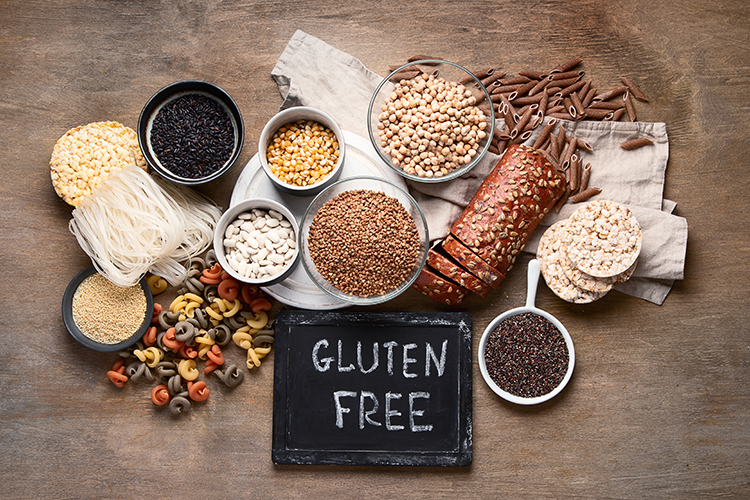
Naturally gluten-free foods include: rice, buckwheat, corn, millet, oats (oats themselves contain no gluten, although about 1% of people with celiac disease react to a similar protein, avenin), potatoes, legumes, soy, nuts and seeds, as well as all vegetables, fruits, berries, meat, fish, eggs, and milk. These foods form the basis of a safe diet in celiac disease. Caution is still needed: grains and oats are easily contaminated with wheat during cultivation and processing. Therefore, for example, people with celiac disease should choose only oats specifically labeled as gluten-free (i.e., produced under clean conditions).
Home cooking also requires attention — up to using separate toasters, knives, and cutting boards to prevent crumbs of regular bread from getting onto gluten-free food.
What Modern Science Says
Recent research has brought several important developments:
- New Diagnostic Methods: Physicians can now more accurately determine whether a person truly has gluten intolerance using specialized blood and urine tests.
- Promising Medications: Drugs are being developed to help people with celiac disease better tolerate accidental gluten exposure. Some are already in clinical trials.
- Improved Products: Scientists are working on wheat varieties with reduced levels of problematic proteins, which could address the issue for many people in the future.
What to Do If You Have Digestive Problems
If you suspect gluten intolerance, you should not prescribe a diet for yourself. Symptoms people often associate with gluten can have many other causes:
- Irritable bowel syndrome;
- Lactose intolerance;
- Sensitivity to certain carbohydrates (FODMAPs);
- Food allergies;
- Stress and psychological factors.
Only a physician can make the right diagnosis after specific tests. Self-diagnosis often leads to unnecessary dietary restrictions and missed real health problems.
Conclusion
Gluten is an ordinary dietary protein that the vast majority of people tolerate without issue. The popularity of gluten-free diets is often based on misconceptions rather than scientific facts.
If you do not have celiac disease or confirmed gluten sensitivity, there is no reason to avoid foods that contain it. Whole grains are an important part of a healthy diet, providing fiber, vitamins, and minerals.
Remember: healthy eating is not about excluding particular foods but about a balanced diet with a variety of natural foods. And if you have digestive problems, it is better to consult a specialist than to look for a solution in trendy diets.