Українська
  Русский
  Polski
  Deutsch
  Français
  Español
  Nederlands
  Svenska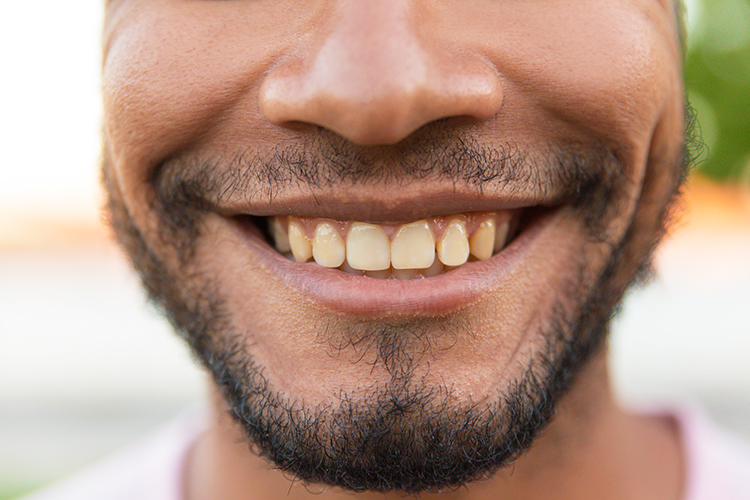
Many people feel insecure about the yellowish shade of their teeth, believing that a healthy smile must be dazzlingly white. Commercials and celebrity photos reinforce this stereotype. But does enamel yellowing really indicate dental problems, or is it a normal occurrence?
Interestingly, the pursuit of a “Hollywood” smile did not start today — as far back as Ancient Egypt, people used a mixture of pumice and vinegar to whiten teeth. Let’s figure out what tooth color is considered normal, what it depends on, and how safe it is to chase after whiteness.
What Color Are “Normal” Teeth?
The natural color of teeth varies slightly among people. Truly “paper-white” teeth do not exist in nature. Tooth enamel is semi-transparent and has a slightly bluish-white hue, with yellow dentin beneath showing through. As a result, healthy teeth are usually shades of light yellow or grayish.
In other words, a slightly creamy tone is normal and typical for almost all adults. For example, dentists note that the bright white color often seen on screens does not occur naturally: the standard shade guide for natural teeth ranges from yellowish to grayish, but not “Hollywood” white.
Interesting Fact
Baby teeth are usually lighter, almost white. This is because children’s dentin is paler and their enamel is relatively thick.
In adults, teeth are darker: over time enamel thins, and the yellow color of the dentin becomes more visible.
Genetic factors also affect the natural shade — some people have more transparent enamel or a grayish undertone, others have a warm yellow hue. But both cases are normal. If your teeth are not shining white, it does not mean they are unhealthy or weak.
Dental Health and Tooth Color
The most important indicator of dental health is integrity and strength, not enamel shade. The common myth that “yellow = disease” is debunked by dentists. A tooth can have a yellowish tint and still be perfectly healthy and strong. Moreover, specialists note that the natural color of the strongest, healthiest teeth is usually far from snow-white. A slight yellow shade often indicates dense, healthy enamel and a sufficient dentin layer.
Of course, this does not mean that yellow teeth are stronger by definition. The key is understanding that shade is not directly determined by tooth strength. Average healthy enamel is not dazzling white, and attempts to achieve unnatural whiteness can unintentionally damage teeth.
So seeing a slightly yellowish smile in the mirror is completely normal. Concern is only warranted if the color changes suddenly, or if teeth become dark yellow and spotty: then it’s important to find out the cause.

Why Do Teeth Turn Yellow?
Tooth color can change for various internal and external reasons. Here are the main factors that make teeth more yellow:
- Genetics and Natural Shade. Each person’s enamel shade is genetically determined. Some have a warmer (yellower) tone, others a cooler (more grayish) one. It’s like eye color: brown and blue eyes are different, but both are normal. Many people are born with creamy-colored teeth, and this is not related to disease.
- Aging Changes. Over the years, enamel gradually thins, worn down by food, acids, etc. At the same time, the inner dentin layer may thicken and darken. As a result, older people’s teeth are usually more yellow than in youth. This is a natural process: according to dental data, after about 30 years, teeth in most people gradually darken.
- Dietary Habits. Teeth often yellow due to staining substances. The main culprits are coffee, black tea, red wine, dark sodas (like cola), berries such as blueberries, sauces (soy, balsamic vinegar), etc. Pigments from these products gradually settle on the tooth surface, penetrate enamel pores, and give it a yellowish or brownish tint.
- Smoking. Nicotine and tar from tobacco smoke also actively stain teeth yellow-brown. The longer a person smokes, the more noticeable the effect: teeth develop persistent pigmentation that is difficult to remove without professional cleaning.
- Poor Oral Hygiene. Bacterial plaque has a yellowish color and can significantly affect tooth shade. If brushing is irregular or poor, soft plaque mineralizes into tartar — hard yellow-brown deposits. They cover enamel and create the appearance of yellow, “dirty” teeth. Neglecting brushing and flossing also leads to discoloration.
- Medications and Diseases. Some medical factors affect tooth color. A classic example is taking tetracycline antibiotics during childhood, when teeth are forming. This can cause persistent yellow-gray staining of enamel. Excess fluoride during tooth development (fluorosis) also changes color — spots appear, enamel looks unevenly white. Rare metabolic disorders and hereditary enamel diseases may cause yellow or brown tones. However, such cases are uncommon.
In short: slightly yellow teeth by themselves are not a reason to panic. But if the shade worsens suddenly, becomes uneven, spotty, or darker, it’s worth consulting a dentist. Often the problem can be solved with professional cleaning (removal of plaque and tartar) or changing some habits.
Tooth Whitening Methods
The desire for whiter teeth is understandable, and modern cosmetic dentistry offers many whitening methods. These include special whitening toothpastes, at-home strips and gels, professional in-office whitening, and even folk remedies. Let’s look at the main approaches.
Removing Surface Stains
The gentlest approach is to remove surface plaque and pigments. This can be done with whitening (more precisely, cleaning) toothpastes containing abrasive particles or enzymes. Such pastes do not change the internal color of teeth but can effectively remove recent yellow deposits from coffee, tea, or food. As a result, teeth may look half a shade to one shade lighter simply due to cleanliness.
Professional cleaning at the dentist (polishing, ultrasound, AirFlow) works the same way — removing plaque and restoring enamel’s natural shade.
These methods are safe when used correctly, although overly abrasive powders and toothpastes used daily can thin enamel.
Chemical Whitening (Peroxide-Based Whiteners)
If teeth have a persistent yellow shade due to pigments within enamel or dentin, surface cleaning will not help. In such cases, whitening agents based on hydrogen peroxide or carbamide are used. Peroxide penetrates enamel and oxidizes pigment molecules, bleaching them.
At-home kits (gel trays, whitening strips) usually contain a low concentration of peroxide and lighten teeth gradually, by 1–2 shades over several weeks.
Professional in-office whitening uses more concentrated gels (up to 30–40% peroxide under a dentist’s supervision) for fast results. This method can significantly brighten a smile in 1–2 sessions.
But it’s important to understand: every tooth has its own whiteness limit. It is impossible to make a natural tooth whiter than a certain shade — whitening can only restore or slightly improve its natural color. Dentists even note that it’s more accurate to say “lightening” rather than “whitening” — teeth lighten to their natural limit (which is still slightly creamy, not pure white).

Risks and Side Effects of Tooth Whitening
Any whitening procedure affects enamel, and if overused it can be harmful. Here is what happens to teeth with aggressive whitening:
- Abrasive whitening products (overly harsh powders, pastes, DIY scrubs with baking soda, etc.) remove the top layer of enamel along with the pigment. Enamel does not regenerate, so regular use of abrasives gradually thins the tooth’s protective layer. Teeth may appear lighter at first but become more sensitive and vulnerable.
- Hydrogen peroxide in high concentrations can soften and partially dissolve the surface minerals of enamel. Studies confirm that intensive peroxide whitening increases enamel porosity, reduces its microhardness, and can even cause microscopic areas of demineralization. In simple terms, enamel becomes looser. Without remineralization afterward (strengthening with fluoride and calcium), this can increase the risk of cavities over time.
- A common side effect of whitening is tooth sensitivity. This happens because enamel thinned or weakened by whiteners protects the nerve endings inside the tooth less effectively. Areas near the gumline and tooth necks may become especially sensitive. Pain when consuming cold, hot, or acidic foods is a signal that whitening has gone too far and teeth have weakened.
- Irritation and burns of gum tissue are possible if whitening gel touches soft tissues. In clinics, gums are protected with special barriers or gels, but with at-home strips people sometimes complain of white spots and soreness on gums — a sign of chemical burns from peroxide.
It is important to emphasize: a single proper whitening procedure under supervision usually does not cause irreversible tooth damage. Modern professional treatments are considered relatively safe if the instructions are followed carefully. Toothpastes, strips, and gels for home use approved by dental organizations contain safe concentrations of active ingredients and, when used reasonably, cause minimal harm.
The problem is that in pursuit of whiteness people often exceed the recommended frequency and duration of treatments or try questionable methods. The main harm of whitening arises from overuse.
This is why some dentists strongly oppose the trend of constantly “whitened” teeth — they believe that unnecessarily damaging enamel is unacceptable. In clinical practice it is common to see patients who, after excessive at-home whitening, develop multiple microcracks in enamel, early cavities, and severe tooth hypersensitivity.
Conclusion: whether to whiten your teeth or not is a personal choice. But it must be done wisely and carefully, weighing all the pros and cons.
How to Safely Brighten Your Smile
If you are concerned about tooth color, first assess whether it is truly a problem. Often professional cleaning or changing certain habits is enough to make teeth look whiter. Below are some recommendations for safely improving tooth color.
Maintain Excellent Oral Hygiene
It may sound obvious, but this is the foundation of a bright smile. Brush your teeth at least twice a day for 2–3 minutes, thoroughly covering all surfaces. Always clean between teeth with floss or an irrigator. Use mouth rinses regularly. This prevents plaque buildup that makes teeth look more yellow.
It is especially helpful to brush or at least rinse your mouth with water after consuming staining foods and drinks — coffee, tea, wine, berries, etc. This prevents pigments from staying on enamel too long.
Watch Your Diet and Habits
Try to reduce foods and drinks that stain teeth. For example, drink coffee and tea in moderation, and if you do — avoid sipping for long periods (some dentists even recommend using a straw to minimize contact with teeth). Replace dark sodas with clear ones or plain water.
Quit smoking or at least cut down on cigarettes — this not only improves tooth color but also greatly benefits your entire oral health.
After any staining food or drink, it makes sense to rinse your mouth with water. Simple lifestyle changes can noticeably reduce new stains on teeth.
Try Gentle Whitening Methods at Home
If your teeth still look dull, start with the mildest methods. There are whitening toothpastes with low abrasiveness and enzymes — they gradually polish enamel and dissolve surface stains without aggressive chemicals. The effect is gradual, but the risk is minimal.
You can also use pharmacy whitening strips or trays with gel, only from reputable manufacturers and with dental association approval. For example, the American Dental Association (ADA) recommends at-home products with carbamide peroxide up to 10% — such concentrations are considered safe. Always read instructions and do not exceed the usage time specified by the manufacturer.
Avoid “Folk” Remedies Without Scientific Proof
Online you may find advice to whiten teeth with baking soda, peroxide, lemon juice, activated charcoal, etc. Be careful: many of these methods are either ineffective or harmful.
For example, lemon juice and acetic acid may slightly lighten teeth but also erode enamel if used often. Charcoal is abrasive and constant scrubbing thins enamel; moreover, charcoal dust can get trapped in gum pockets and darken gum edges. Pure baking soda is also highly abrasive.
Even natural remedies can be harmful if used incorrectly or too often.
Use Helpful Tricks for Natural Whitening
There are safe ways to help keep teeth lighter. For example, ensure your diet includes enough vitamin C — a deficiency leads to faster plaque buildup, which worsens yellowing.
You can try occasionally rinsing your mouth with coconut oil (the “oil pulling” method): studies show it reduces plaque formation and thus prevents some external yellowing.
Do not expect instant whitening from such methods, but combined with good hygiene they can give a slight positive effect without risking enamel.
Consult Professionals for Major Whitening
If you are determined to make your teeth noticeably whiter, it is best to consult a dentist. A dentist will assess enamel condition, check for cavities, and rule out contraindications (for example, with multiple fillings whitening may cause uneven color).
Professional in-office whitening is performed under supervision, with gum protection, optimal gel concentration, and proper timing. This minimizes risks and maximizes effectiveness.
Dentists can also suggest alternatives: if teeth are severely discolored internally (fluorosis, tetracycline staining), veneers or composite overlays may be a better solution than whitening. In fact, veneers are behind many Hollywood smiles — experts estimate most celebrities achieve their perfect whiteness with veneers or crowns, not whitening alone.
Listen to Your Teeth
During and after whitening pay attention to how your teeth “feel.” Mild, short-term sensitivity is acceptable. But if you notice sharp pain, prolonged hypersensitivity (especially near gum edges), or changes in tooth surface — stop whitening immediately and see a dentist.
Pain and discomfort signal enamel damage, and further whitening will only worsen the situation. In such cases teeth need a break, remineralizing treatments (fluoride varnishes, calcium gels), and enamel recovery.
The Natural Beauty of a Smile
Finally, let us stress the main idea: dental health is always more important than color. A yellowish shade does no harm, while excessive pursuit of whiteness can indeed cause damage.
Modern research and experts agree that strong teeth with a natural creamy shade are far better than artificially whitened but weakened ones.
If your teeth are clean, cavity-free, and comfortable — that is the foundation of a beautiful smile. A light yellow tone is simply a small “sunny” nuance, perfectly normal for all of us.