Українська
  Русский
  Polski
  Deutsch
  Français
  Español
  Nederlands
  Svenska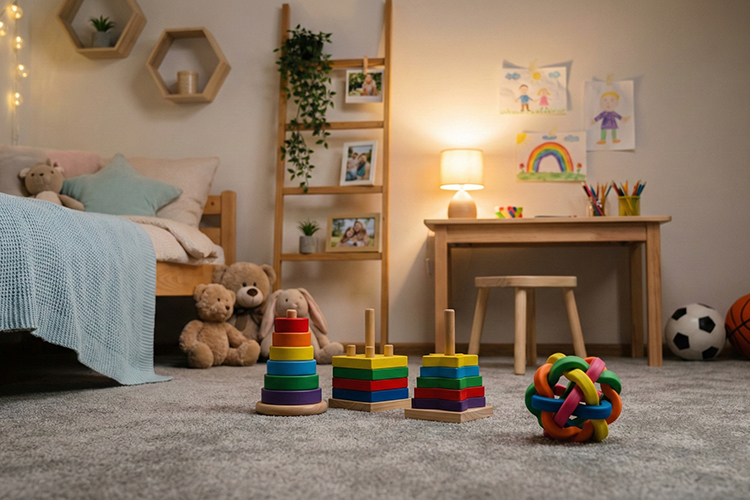
© Factum-Info
One of the most common reasons for conflicts between parents and children around the world sounds the same: “Go clean your room!” It seems like a simple request for tidiness. But if we look deeper, through the lens of relationship psychology, we’ll find a serious logical contradiction.
Let’s explore why the struggle for cleanliness often turns into a struggle for power, and how the “zoning” method helps maintain peace in the family and teaches children responsibility.
The Great Ownership Illusion
Psychologists advise parents to be honest with terminology. When we say to a child, “This is your room,” we are making a promise we often don’t keep.
Imagine being given an apartment, but the previous owner comes by every evening to tell you how to arrange the furniture or where your socks should go. Would you feel like the owner? Probably not.
Children feel the same way. If the room truly belongs to the child, they should decide whether it’s perfectly tidy or creatively messy. But if parents demand cleaning based on their own schedule and standards, it’s more honest to say: “This is my room, I’m just letting you live here, so you must follow my rules.”
However, the goal of parenting is to raise an independent person. That’s why experts suggest an elegant solution: divide the space into “zones of influence.”
The “Zones of Influence” Method
Instead of demanding total control or allowing complete chaos, try dividing the child’s room into two conceptual zones:
- Parent’s Territory. This is the area of safety and basic hygiene. Your rules apply here. For example, the wardrobe with clean clothes or the bed (sheets must be fresh).
- Child’s Territory. This is their personal “state.” It could be a desk, a bookshelf, a toy bin, or a play corner. In this area, the child is the sole ruler.
The idea is simple: within their own territory, the child sets their own rules.
Why Messiness Is Actually Beneficial
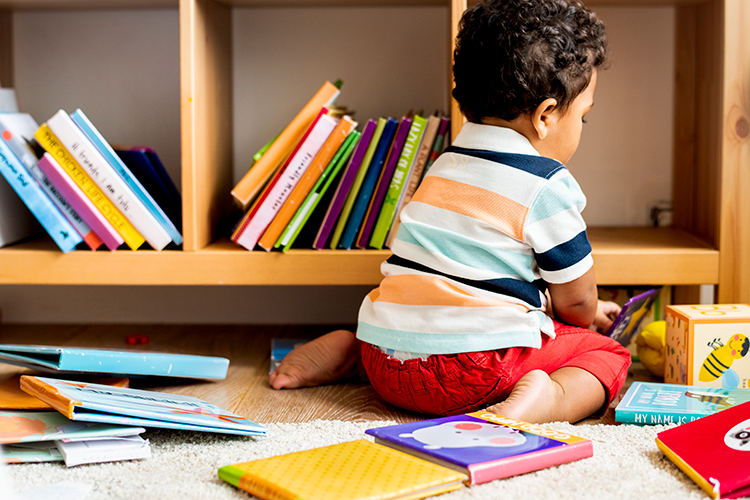
Many parents are alarmed by the idea of surrendering part of the room to mess. But child psychologists and educators insist: it’s a necessary stage of growing up.
When you stop controlling the chaos in the “child’s zone,” natural consequences take over — one of the most effective learning methods:
- If toys aren’t put away, you can painfully step on them.
- If everything is piled up, it’s hard to find a specific piece.
- If the desk is cluttered, it’s uncomfortable to draw there.
A child needs time to realize that order isn’t mom’s or dad’s whim, but a system that makes life easier. This realization fosters intrinsic motivation. The command “clean up” only works when you’re watching. The feeling “this is inconvenient” works all the time.
The Evolution of Space
The boundaries of these zones shouldn’t be permanent. They should evolve as the child grows.
- For a toddler, the “zone of influence” might be small — a single shelf or toy basket.
- For a school-age child, it includes the whole desk and play areas.
- For a teenager, the entire room should become personal territory. Knocking before entering a teen’s room isn’t just politeness — it’s an acknowledgment of their boundaries and right to privacy.
As the child’s zone gradually “takes over” the parent’s territory, their responsibility grows. By adulthood, they learn to manage their space entirely.

Practical Advice
How can you implement this today? Agree with your child on safety rules (for example: “No food in the room to avoid ants” or “The path to the door must stay clear”). These are general household rules.
Everything else — how books are arranged, whether the bed is made, whether clothes are folded or in a heap — should be left to the child’s discretion within their personal zone.
By allowing children to manage their small world, we teach them to manage their big life in the future.