Українська
  Русский
  Polski
  Deutsch
  Français
  Español
  Nederlands
  Svenska
 Psychology
Neuroticism reflects emotional sensitivity and stress response. Learn how high and low levels of the Neuroticism factor manifest in the Big Five (OCEAN).
- Details
- Relationship Psychology
- 577
Agreeableness reflects empathy, trust, and cooperation. Learn how high and low levels of the Agreeableness factor manifest in the Big Five (OCEAN).
- Details
- Relationship Psychology
- 561
Extraversion reflects the level of vital energy and emotion seeking. Learn how high and low levels of the Extraversion factor manifest in the Big Five (OCEAN).
- Details
- Relationship Psychology
- 556
Conscientiousness reflects self-control, discipline, and reliability. Find out how high and low levels of the Conscientiousness factor manifest in the Big Five (OCEAN).
- Details
- Relationship Psychology
- 609
Openness to experience reflects curiosity, creativity, and a craving for the new. Find out how high and low levels of the Openness factor manifest in the Big Five (OCEAN).
- Details
- Relationship Psychology
- 608
Learn about the Big Five model. A simple explanation of the 5 personality factors (OCEAN): openness, conscientiousness, extraversion, agreeableness, and neuroticism.
- Details
- Relationship Psychology
- 627
DISC personality type C: Key behavioral traits, motivation, and strategies for effective interaction with an analytical and precise personality type.
- Details
- Relationship Psychology
- 659

DISC personality type S: key behavioral traits, motivation, and effective strategies for communicating with a calm and reliable personality type.
- Details
- Relationship Psychology
- 696
DISC personality type I: key behavioral traits and motivations, along with effective strategies for interacting with the vibrant and social “Influencer” type.
- Details
- Relationship Psychology
- 611
DISC personality type D: how dominant behavior develops, what drives these individuals, and how to build effective communication with this personality type.
- Details
- Relationship Psychology
- 633

Learn when to start teaching your child to read, what risks early learning entails, and how to develop reading skills safely and without stress according to neuropsychology.
- Details
- Self-Development
- 593
How does memory work and what helps it function better? We debunk myths, explain brain processes, and show effective ways to improve memory at any age.
- Details
- Self-Development
- 665
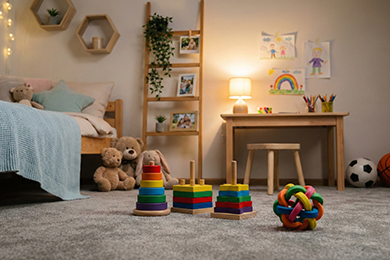
Learn how zoning a child’s room can help them develop responsibility. Simple rules, psychological insights, and tips for parents.
- Details
- Relationship Psychology
- 665

Why do boys need parental tenderness? Psychologists explain how affection influences a child’s mind, behavior, and health at every stage of growing up.
- Details
- Relationship Psychology
- 743
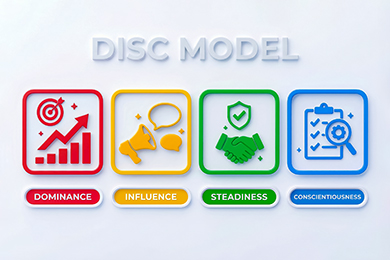
The DISC Model: Key Principles and Applications. Learn how to understand people’s behavior and build effective interaction in business and personal life.
- Details
- Relationship Psychology
- 1923

What is Schrödinger's Cat in simple terms? We will explore the paradox of a living and dead cat, learn to embrace uncertainty, and expand the boundaries of thinking.
- Details
- Self-Development
- 1125

Unlock your creative potential: learn what creativity is and how to develop out-of-the-box thinking for success and inspiration.
- Details
- Self-Development
- 862

These ways of developing intelligence may seem extremely unusual at first glance, but it is precisely in their unusualness and simplicity that the greatest effectiveness lies.
- Details
- Self-Development
- 1153